
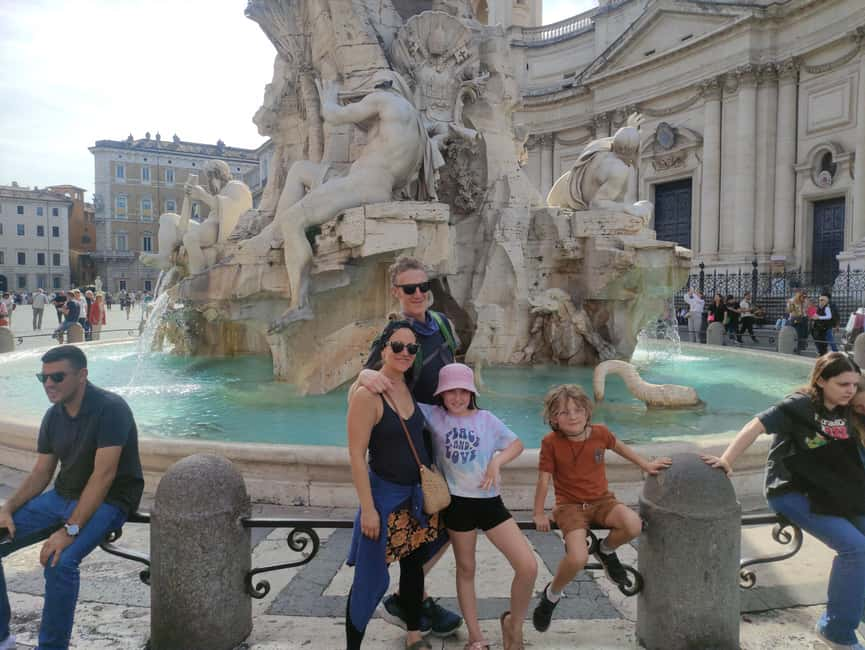
Review · ROME
Rome: Scavenger Hunt For Kids with Prizes around City Center
Rome can be a tough sell to children when every adult wants to stop and admire another column. This 2.5-hour scavenger hunt gives young visitors a job to do: solve riddles, spot details, take photos, and work as a team while moving between the Spanish Steps, Trevi Fountain, and Pantheon.
I like the way it turns famous sights into a game, and I like the price of $22 per person, especially for families who want more than a standard walk. The main consideration is that the hunt is described as self-guided, so you should clarify how the private English-speaking guide supports your group before booking.
Key points at a glance
- Three major Rome sights in one route: Visit the Spanish Steps, Trevi Fountain, and Pantheon without treating the city like a museum march.
- Games built for children: Expect riddles, photo challenges, observation tasks, and teamwork rather than a long lecture.
- A useful family pace: The 2.5-hour format gives children a clear activity without taking up a full day.
- Guide support in English: The private guide helps make the experience playful, with Bruno receiving particular praise for his warm approach.
- Outdoor and active: You walk through streets, piazzas, and narrow lanes, so good shoes, water, a hat, and sunscreen matter.
- Good value for families: At $22 per person, the price is modest for a private, organized activity centered on Rome’s best-known sights.
Why a scavenger hunt works better than a long Rome lecture
The clever part of this experience is not simply the route. Rome’s center already has the sights. The useful addition is a reason for children to look closely at them.
A riddle can make a child notice a carving. A photo challenge can turn a slow walk into a search. A team puzzle gives siblings and parents a shared task instead of separate complaints about tired feet. You still see important monuments, but the focus shifts from standing quietly to asking questions and solving things together.
I especially like this format for families with mixed ages. Younger children can search for visual details, while older children can help with word puzzles and history questions. Adults are not left out, either. The activity is designed for the whole family, and the strongest feedback points to the guide’s playful approach and the way it keeps everyone involved.
The limits are clear. This is not a substitute for a detailed art-history tour, and it does not include entrance tickets to monuments or museums. The activity is mainly outdoors, with walking between stops. If your children need frequent breaks, plan for a slower pace and let the guide know at the start.
More Family and Kids Games in Italy
- Rome: 2.5-Hour Family Vatican Highlight Scavenger Hunt
★ 4.6 · 51 reviews - Private Venice Family Tour with Saint Mark’s & Doge’s Palace
★ 5.0 · 50 reviews - Best of Florence Treasure Hunt Tour for Kids & Families
★ 5.0 · 44 reviews
Meeting the guide at Piazza Mignanelli
The meeting point is by the Column of the Immaculate Conception in Piazza Mignanelli, beside the Spanish Steps area. This is a practical place to begin because you start near one of Rome’s most recognizable sights rather than spending the first part of the activity finding a remote office.
The tour is offered in English. A private guide is included, and Bruno is specifically associated with a kind, playful style that worked well for children. That personal approach matters here. A scavenger hunt can feel flat if the instructions are delivered like a worksheet, but an engaged guide can keep children moving when a puzzle takes longer than expected.
There is one detail worth checking before you commit. The activity information calls the hunt self-guided, while it also includes a private, live English-speaking guide. That may mean the guide introduces the challenge and then lets your family complete the tasks independently, but the exact arrangement is not explained. Ask whether the guide stays with you throughout, gives clues at set points, or hands over the materials for your family to follow alone.
The activity returns to the starting point. That makes planning easier, especially if you have a restaurant reservation or another attraction afterward.
The Spanish Steps: starting with a climb and a clue
The first major challenge begins at the Spanish Steps. Children receive their first clue around the historic staircase and work to solve it while taking in the city views.
This is a good opening because the steps provide an immediate physical goal. Children can race ahead, search for the answer, and feel that the activity has started at once. The setting also gives adults a chance to orient themselves in central Rome.
The steps are not a quiet classroom. People pass through, and the area can be crowded. Children need to stay close and follow instructions. The advice to start early is practical here, since cooler temperatures and lighter crowds make the first challenge easier.
The Spanish Steps also show why the experience is more than a set of disconnected games. The route uses the setting as part of the puzzle. Instead of looking at the staircase only as a photo stop, your family is asked to notice it, move through it, and connect it with the next task.
Wear shoes with solid support. The tour involves city walking and stairs, and sandals that slip or shoes that pinch will become a problem well before the 2.5 hours are over.
Trevi Fountain: turning a crowded landmark into a search game
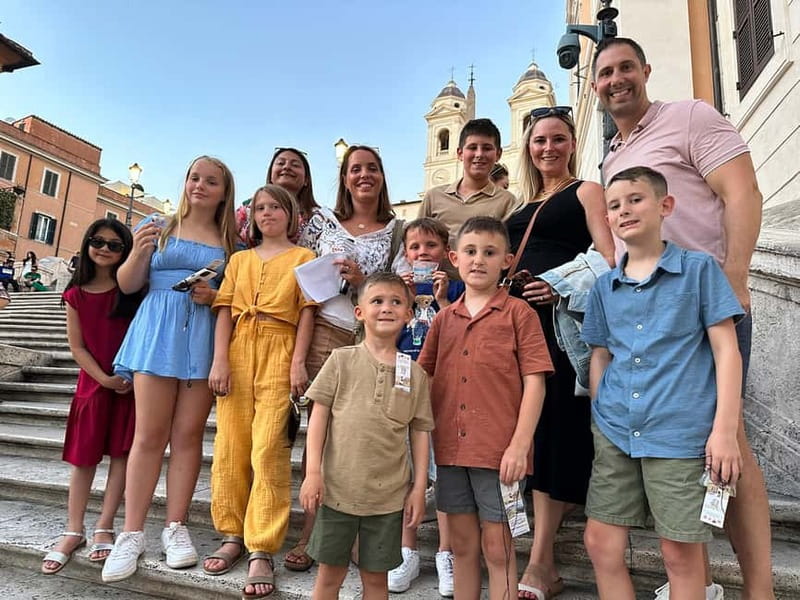
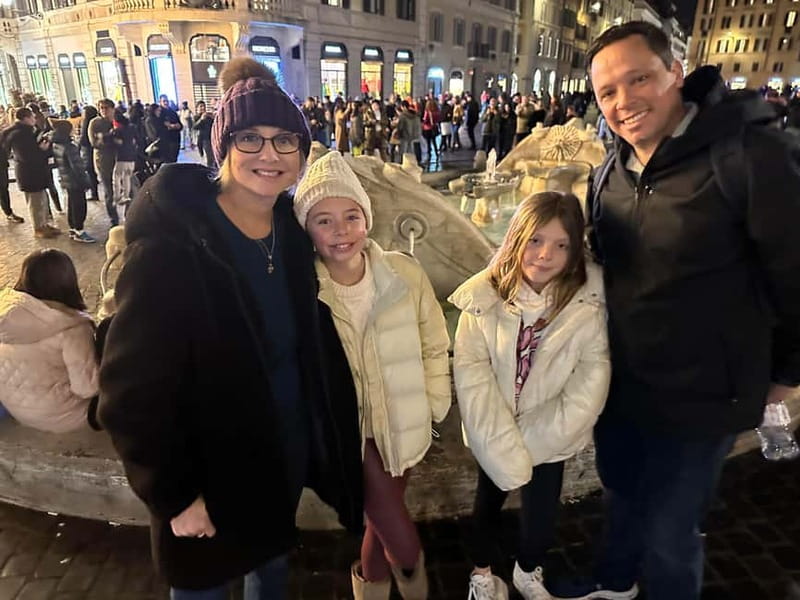
From the Spanish Steps, the hunt continues toward the Trevi Fountain. This is one of Rome’s busiest photo stops, but the games give children something specific to do once they arrive.
Tasks may include counting the coins thrown into the fountain or searching for symbols carved into its architecture. These challenges sound simple, which is part of their strength. A child does not need advanced history knowledge to take part, yet the activity encourages careful looking.
Trevi Fountain can be difficult for families because the crowd often turns the visit into a quick photograph and a scramble to keep everyone together. A structured challenge helps you pause with purpose. It also gives children a way to engage with the stonework and design rather than seeing the fountain as a backdrop.
You should still keep expectations sensible. The hunt does not remove the crowds, and it does not give your group private access to the fountain. The experience remains an outdoor city activity in a very popular area. Keep bags close, watch younger children, and stay aware of the meeting instructions.
The fountain stop is also a good point to use water and sunscreen. Rome’s streets can feel tiring in the sun, particularly for children who are focused on the game and forget to drink.
More Scavenger Hunts in Italy
- Angels & Demons Rome Scavenger Hunt: The Illuminati Escape Game
★ 4.5 · 103 reviews - Private Family Scavenger Hunt & Art Lab Tour – Rome Landmarks
★ 5.0 · 30 reviews - Venice Scavenger Hunt and Highlights Self Guided Audio Tour
★ 4.5 · 20 reviews - Rome: Scavenger Hunt Self-Guided Tour
★ 4.6 · 15 reviews
The Pantheon: puzzles beside a 2,000-year-old monument
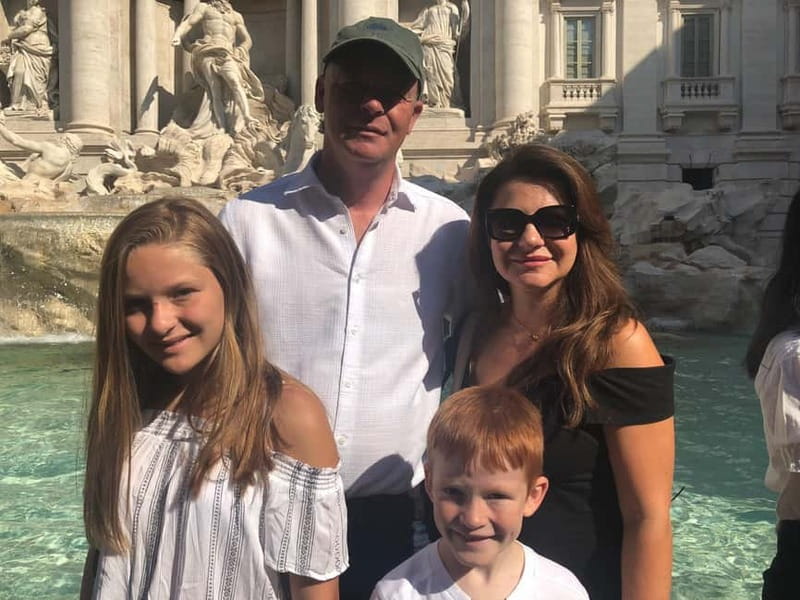
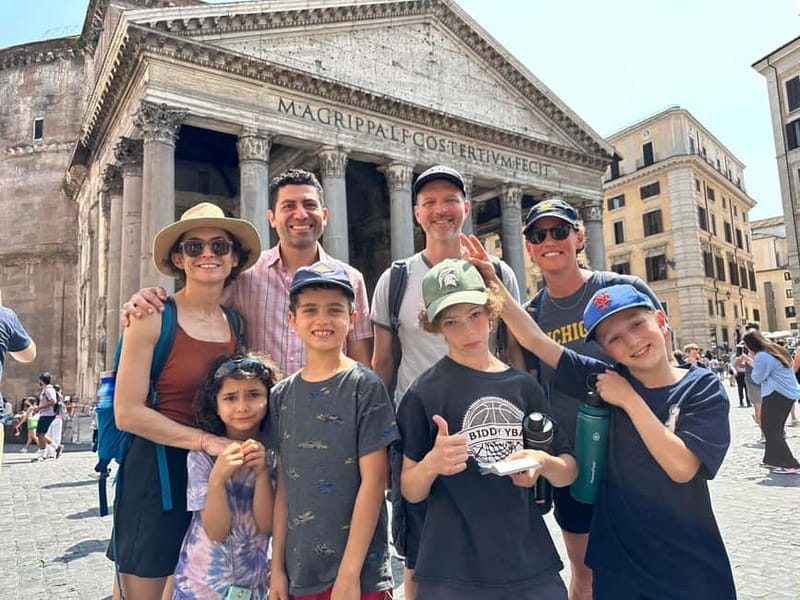
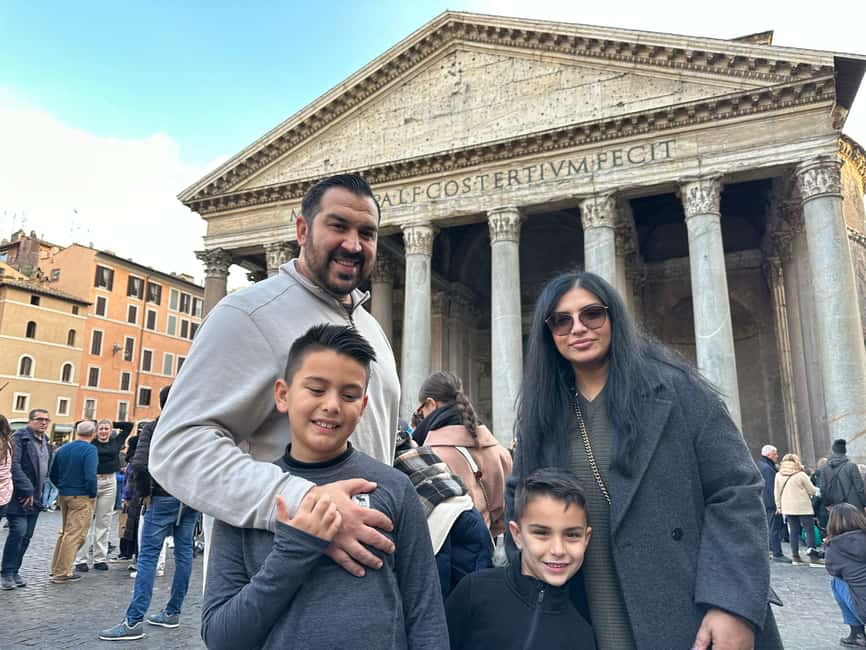
The route then reaches the Pantheon, where the riddles draw on the building’s history and architecture. The activity uses its columns and striking design as material for observation and problem-solving.
For children, this is a useful way to approach an ancient monument. Instead of hearing a long list of dates, they can connect the building to a puzzle. Parents can add context as they go, but the hunt itself supplies a playful reason to look up, compare details, and think about how the building was made.
The Pantheon is described as a 2,000-year-old marvel, and that age gives the stop real weight. Even a child who is not ready for a detailed explanation can understand that this is a place that has lasted for a very long time. The challenge helps turn that fact into something visible.
Entrance fees are not included. The activity may take you to the Pantheon, but you should not assume that entry inside is part of the price. The same applies to any monument or museum on the route. Confirm the plan if seeing interiors is important to your family.
This is also where older children may get more from the experience. The architecture-based riddles call for observation and creative thinking, so a child who likes puzzles may enjoy this stop more than a simple photo opportunity.
Piazzas and narrow lanes between the big sights
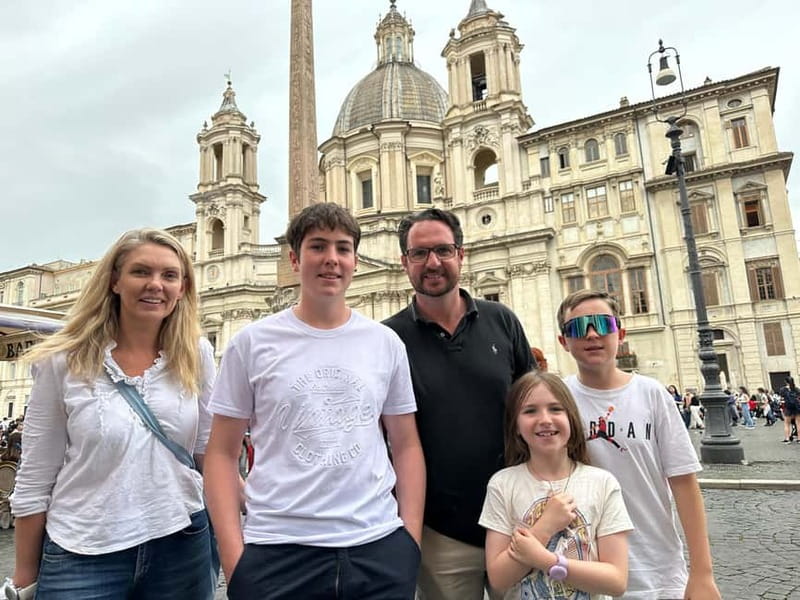
The route is not only a sequence of three famous landmarks. You also move through Rome’s piazzas and narrow alleyways, looking for additional clues and completing more challenges.
That in-between time is valuable. The major monuments get the attention, but the streets connecting them help children understand that Rome is a living city, not just a group of ticketed attractions. The hunt gives your family a reason to notice the route itself.
Expect a mix of riddles, puzzles, photo tasks, and hands-on games. The variety helps prevent the activity from becoming repetitive. If one child dislikes word puzzles, that child may still enjoy the visual search or the photo challenge. If another child wants to lead, the teamwork format creates a natural role.
The hunt also rewards cooperation. Children have to compare ideas, listen to one another, and reach an answer together. That can be more memorable than simply receiving facts from a guide. It also gives parents a chance to join in without taking over every question.
There is no transportation included. The route is completed on foot, and transportation to and from the attractions is not part of the activity. Build in enough energy for walking, especially if your family has already spent the morning sightseeing.
What the guide adds to a self-guided hunt
The guide is an important part of the experience, but the description needs a little interpretation. The activity includes a private guide and a live English-speaking guide, yet it also says the treasure hunt is self-guided.
I would treat this as a point to clarify before booking, not as a reason to dismiss the activity. The guide may provide the materials, explain the rules, set the family off, and offer help when needed. Or the guide may stay with the group while children solve tasks on their own. The exact balance affects how much support you receive.
Bruno’s role is worth asking about if he is available. His style is described as kind and playful, and that fits the needs of this type of activity. A child who gets bored easily needs a guide who can keep the mood moving without turning every answer into a test.
The best version of a scavenger hunt gives children room to solve problems themselves. Parents should not expect the guide to entertain every minute, and children should not expect the answers immediately. The point is shared discovery, with enough help to prevent frustration.
Price, timing, and what you receive for $22
The cost is $22 per person, with a duration of 2.5 hours. For a family, the total rises with each participant, so compare it with the cost of a standard guided walk or a museum visit. The value here comes from the format: a private activity, an organized route, a guide, and games designed for children.
You are not paying for monument admission, meals, drinks, or transport. That keeps the base price clear, but you should budget separately for water, snacks, and any entrance fees you choose to add.
I see the strongest value for families who would otherwise need to create their own child-friendly route. Planning a walk between the Spanish Steps, Trevi Fountain, and Pantheon is easy enough. Creating suitable riddles, photo tasks, and history games takes more work. This activity does that preparation for you.
The 2.5-hour length is long enough to cover several central sights but short enough to fit into a day with other plans. Starting times vary, so check availability when booking. An early start is the best choice if you want less heat and fewer people around the busiest stops.
Cancellation is flexible: you can cancel up to 24 hours in advance for a full refund. You can also reserve now and pay later, which helps if your Rome schedule is still changing.
Who will enjoy this Rome family activity?
This hunt is best for families with children who enjoy games, searching, movement, and teamwork. It should work especially well when one or more children lose interest during ordinary sightseeing. One of the strongest points from the feedback is that the activity kept an easily bored youngster engaged.
It is also a good choice for adults who want to see major Rome landmarks without spending the whole day explaining architecture. You can learn along with the children, take part in the challenges, and let the guide shape the pace.
I would be more cautious if your family wants a serious historical lecture, museum interiors, or a relaxed stroll with long stops. This is active and task-focused. The route may also be tiring for very young children, particularly in hot weather.
The activity is not suitable for wheelchair users. The stairs, uneven city route, and walking-based format make this an important limitation to consider before booking.
What to bring for the 2.5-hour route
Pack lightly, but bring the items that make outdoor sightseeing easier:
- Comfortable walking shoes
- Water
- Sunscreen
- A hat
- A camera
A camera is useful for the photo challenges, while water and sun protection are practical needs rather than extras. Rome’s center can be hot, and children often notice thirst only after they are already tired.
It is also wise to begin with a snack or meal already planned. Food and drinks are not included, and the route may not pause at a scheduled restaurant. You can choose your own stop if your family needs a break, but ask the guide how that affects the hunt.
Should you book the Spanish Steps, Trevi Fountain, and Pantheon hunt?
Book it if you want your children to take an active role in seeing Rome. The route covers three major sights, the games give young visitors a reason to pay attention, and the private guide adds structure without turning the outing into a formal lecture.
At $22 per person, it is a sensible buy for families who value ready-made activities and a clear 2.5-hour plan. The strongest reasons to choose it are the playful format, the teamwork, and the guide’s reported ability to keep children involved.
Before paying, confirm how the self-guided format works and whether the guide remains with you for the full route. If your family is comfortable walking, solving puzzles, and exploring outdoors, this is a smart way to introduce children to central Rome. If you need wheelchair access, indoor admissions, or a detailed adult history tour, choose a different activity.
FAQ
Where does the scavenger hunt start?
It starts by the Column of the Immaculate Conception in Piazza Mignanelli.
Where does the activity end?
The activity ends back at the starting point.
How long does the treasure hunt last?
The activity lasts 2.5 hours.
What landmarks are included?
The route includes the Spanish Steps, Trevi Fountain, and Pantheon, along with piazzas and narrow alleyways in Rome’s city center.
What language is the tour offered in?
The live tour guide speaks English.
Is a guide included?
Yes. A private guide is included. The activity is also described as self-guided, so confirm how the guide supports your group before booking.
What activities do children complete?
Children can expect riddles, puzzles, photo challenges, observation tasks, and hands-on games that encourage teamwork.
Are monument and museum entrance fees included?
No. Entrance fees to monuments and museums are not included.
Is transportation included?
No. Transportation to and from the attractions is not included.
Is the activity suitable for wheelchair users?
No. The activity is not suitable for wheelchair users.
What should I bring?
Bring comfortable shoes, a hat, a camera, sunscreen, and water.
Can I cancel for a refund?
Yes. You can cancel up to 24 hours in advance for a full refund.
New puzzles around Italy
- Genoa Historic Centre Quest: A Self-Guided Puzzle Adventure★ 4.0 · 3 reviews
- Treasure Hunt in Florence for Families★ 4.5 · 3 reviews
- 2-Hour Private Treasure Hunt in Florence★ 5.0 · 3 reviews
- Florence Haunted Secrets: Echoes of the Dead Exploration Game★ 4.0 · 9 reviews
- Florence Scavenger Hunt and Highlights Self-Guided Tour★ 4.5 · 3 reviews
- Private Family Tour – Uffizi Gallery for Kids★ 5.0 · 27 reviews
- Kids treasure hunt in the Boboli Garden. Private, timed entry!★ 5.0 · 2 reviews
- Florence Highlights Self guided scavenger hunt and Walking Tour★ 4.5 · 3 reviews
Family and Kids Games, head to head.



Greek Mythology Treasure Hunt for Kids – Athens Private Tour
Read our review →
Private Venice Family Tour with Saint Mark’s & Doge’s Palace
Read our review →Other lists this game appears in