
Review · FLORENCE
Florence: Uffizi Gallery Private Treasure Hunt for Families
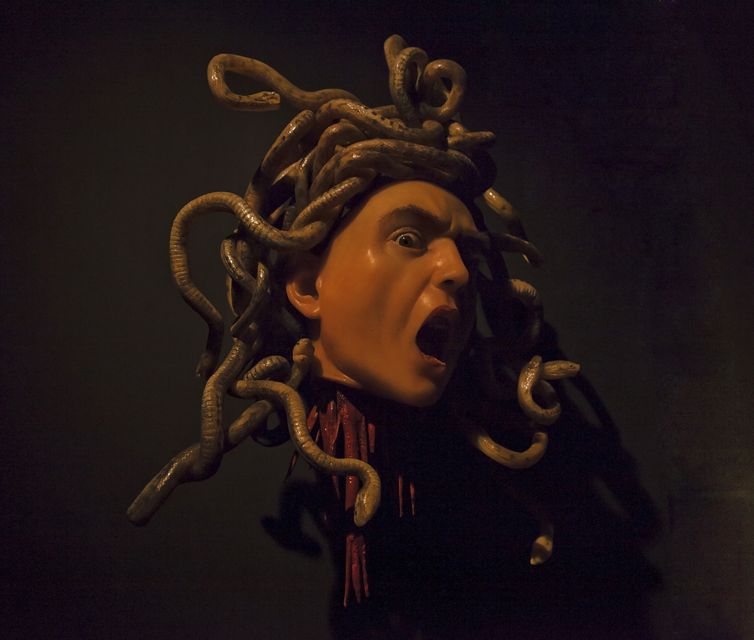
The best part of this Uffizi visit is the treasure hunt. Instead of asking children to admire a long line of paintings, your guide gives them things to find: dogs, cats, flowers, chairs, symbols, and even the strange contents of Caravaggio’s Medusa. I like the way this turns looking into a game, while still introducing serious Renaissance art.
I also like the private family format and the booklet that records your answers and holds a family picture. Guide Rosa is singled out for explaining Renaissance art clearly and keeping young children involved. The main drawback is the price: at $286.04 per person, this is a costly three-hour museum visit, so it makes the most sense for families who want personal attention rather than the cheapest Uffizi entry.
Key details at a glance
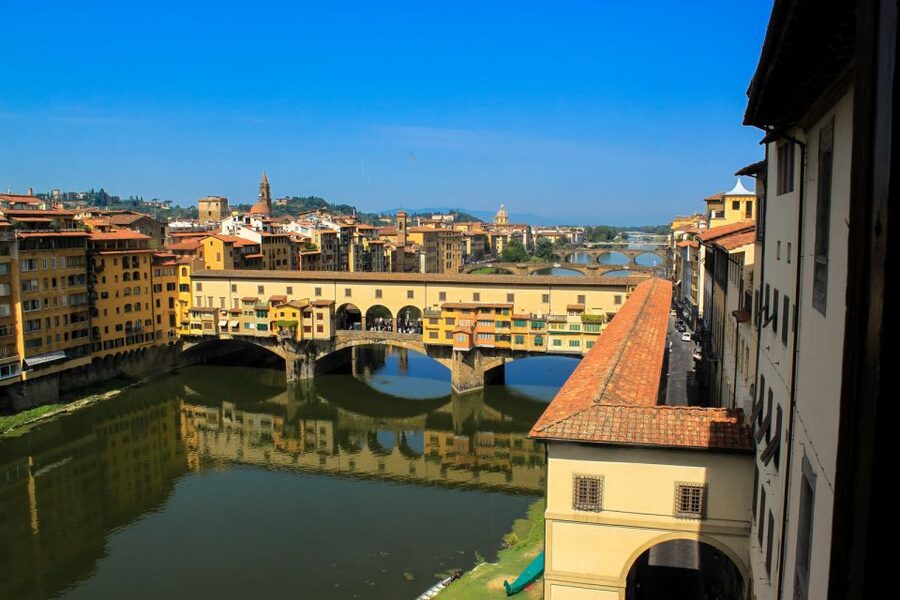
- A treasure hunt inside the Uffizi: Your family searches paintings for animals, objects, symbols, and unusual details.
- A private guide for your group: The tour is designed around your family, not a large mixed crowd.
- Michelangelo and Caravaggio appear in memorable ways: Look for hidden sculptures in the Tondo Doni and ask what is inside Medusa’s mouth.
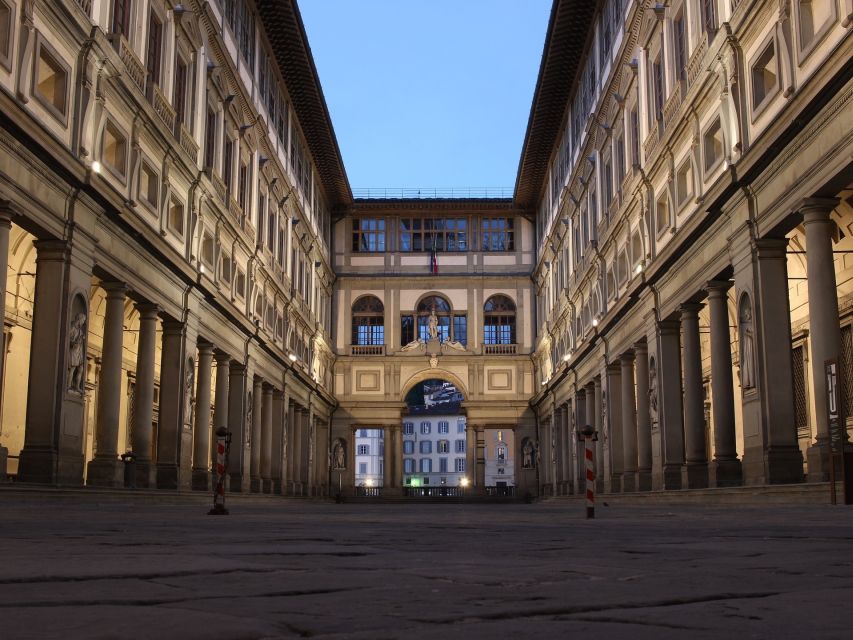
- The route begins outdoors: You meet at the Neptune Fountain, then see Piazza della Signoria and the Loggia dei Lanzi before entering the gallery.
- A useful keepsake for children: The answer booklet includes space for a family photograph taken at the end.
- Three hours with museum admission included: Earphones are provided for groups of up to eight people, and the tour is offered in six languages.
Why the treasure-hunt format works at the Uffizi
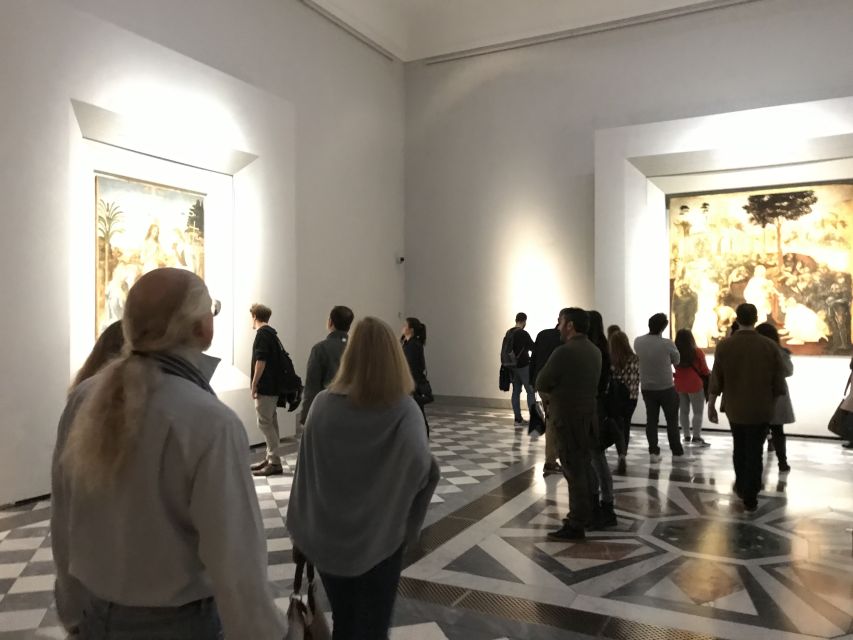
The Uffizi can be a lot for a child. It holds major works by Leonardo, Botticelli, Michelangelo, Caravaggio, and many other artists, but a young visitor does not always care about names, dates, or formal art terms.
This tour gives children a job. They search for a particular object, study a painted face, or try to work out why an artist included a certain symbol. That simple change matters. You are not just walking past paintings while an adult talks. You are looking with a purpose.
The clues also lead to good family conversations. Why does Botticelli’s Annunciation show the Virgin Mary’s bed with only one pillow? What might a dog, cat, flower, or chair mean in a Renaissance painting? These are approachable questions, even for children who have never studied art.
You still get the major names. The difference is that Leonardo, Botticelli, Michelangelo, and Caravaggio become part of a search rather than a list. I like this approach for families with children who may lose patience during a standard lecture.
The activity is not only for very young children. Older children and teenagers can take the clues seriously, compare details, and help younger brothers or sisters. Adults get a clearer reason to slow down and inspect the paintings instead of rushing toward the next famous room.
More Family and Kids Games in Italy
- Best of Florence Treasure Hunt Tour for Kids & Families
★ 5.0 · 44 reviews - Private Family Tour – Uffizi Gallery for Kids
★ 5.0 · 27 reviews - Kids treasure hunt in Uffizi museum Private, timed entry!
★ 5.0 · 15 reviews
Meeting the guide at the Neptune Fountain
The tour begins at the Neptune Fountain in Piazza della Signoria, a practical location in central Florence. From there, your guide introduces the setting before leading the group toward the Uffizi.
Meeting outside gives the experience a useful beginning. You are not dropped straight into a crowded museum corridor. The square helps connect the gallery with the city around it, especially the civic and Medici power that shaped this part of Florence.
Your guide is available in English, French, German, Spanish, Italian, or Russian. If you book in English, Rosa is one guide associated with this experience. She is praised for explaining Renaissance art clearly and for keeping young children involved, which is exactly the skill this type of outing needs.
The tour is private, but the supplied details do not specify the maximum private group size. Earphones are provided for up to eight people. That suggests a small family party will hear the guide well, particularly in busy museum rooms, though you should confirm arrangements if your group is larger.
Piazza della Signoria and the Loggia dei Lanzi
Before the gallery, the route includes a guided look at Piazza della Signoria and the Loggia dei Lanzi. These stops are not filler. They help you see Florence as a city of public art, political power, and grand commissions.
Piazza della Signoria is one of the city’s best-known gathering places. You will see art in an open civic setting before moving indoors to the Uffizi’s paintings and sculptures. That contrast helps children understand that Florence’s art is not confined to museums.
The Loggia dei Lanzi adds large-scale sculpture to the morning or afternoon. Its open arcade makes a useful bridge between the outdoor sights and the museum visit. Your guide can point out how sculpture works differently from a painted image, with bodies and movement visible from several angles.
The supplied schedule lists these as guided stops but gives no separate duration for either one. That means the main time commitment is the Uffizi itself. If your family needs a slower pace outdoors, or if children are already tired, ask the guide how the time will be divided.
Inside the Uffizi: turning famous paintings into clues
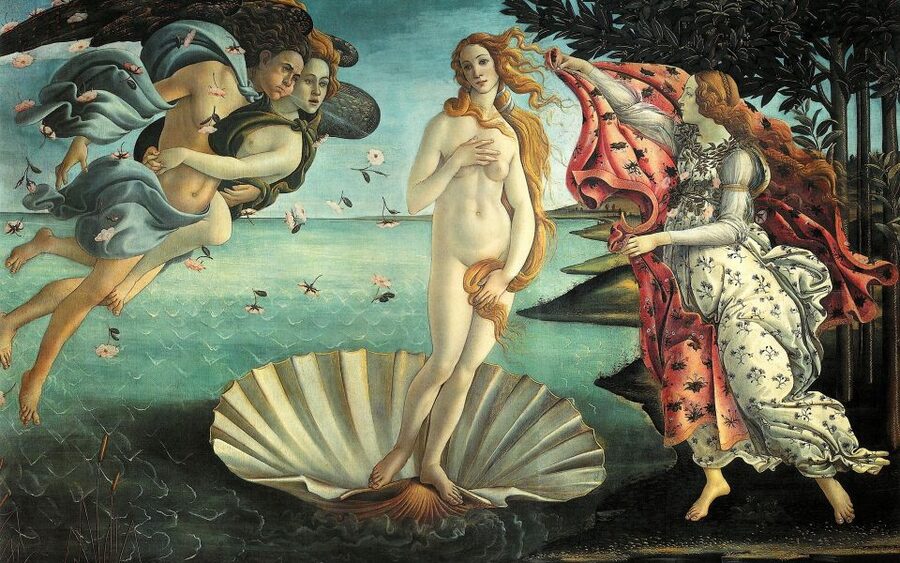
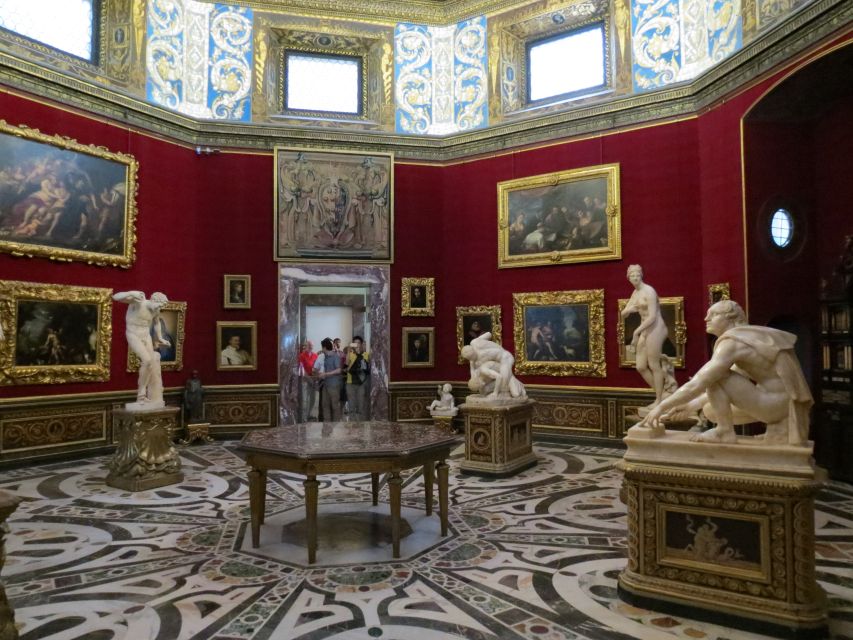
The Uffizi is one of Europe’s oldest museums and Florence’s best-known Renaissance gallery. Its collection can feel grand and formal, but the treasure hunt makes it more active.
Your booklet gives you a place to note answers. The exact number of clues is not specified, so you should not expect a published worksheet with a fixed list before you arrive. The guide leads the search and explains the answers as you go.
The strongest clues use ordinary objects. A dog, cat, flower, or chair may seem like a small detail, but the guide asks you to consider why the artist included it. Children often notice these things first. Once they start looking, they may spot details that adults have passed without seeing.
This is also a good way to talk about symbolism without turning the visit into a classroom lesson. You can ask what an object suggests, then let the guide explain the artistic or religious meaning. The family learns together, and nobody needs to know the answer in advance.
The tour also brings in Medici commissions. The Medici family played a major role in Florence’s artistic life, and seeing their commissions in the Uffizi gives the collection a human connection. Instead of treating the museum as a neutral storehouse, you see how powerful families used art to express faith, status, taste, and influence.
More Treasure Hunts in Italy
- Florence Self-Guided Treasure Hunt & Medici Mystery Walking Tour
★ 5.0 · 69 reviews - Kids Treasure Hunt in Florence Downtown. A Private Adventure!
★ 5.0 · 10 reviews - Private Kids Treasure Hunt in Palazzo Vecchio. Timed entry!
★ 5.0 · 6 reviews - Treasure Hunt in Florence for Families
★ 4.5 · 3 reviews
Michelangelo’s Tondo Doni and Caravaggio’s Medusa
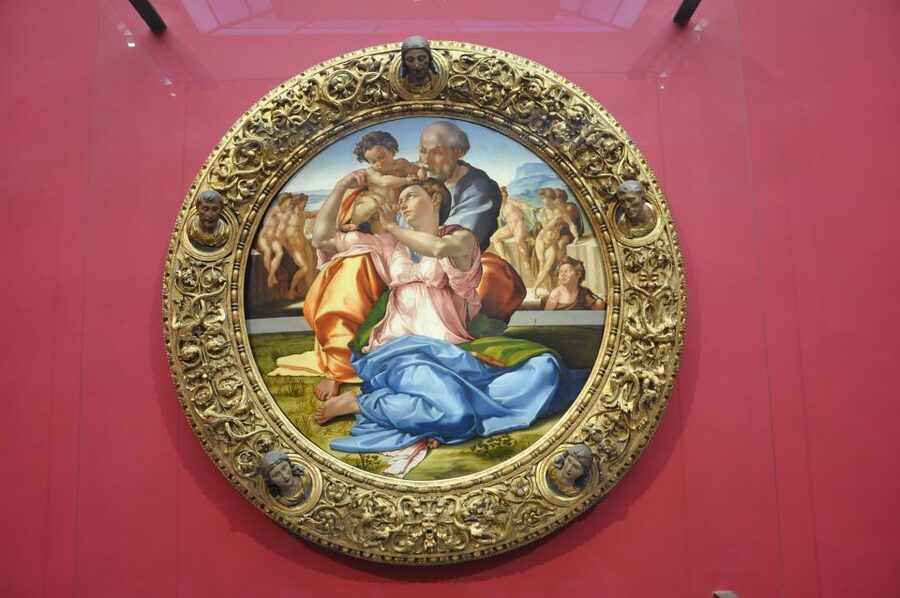
Two details give the hunt extra drama. One is the search for hidden sculptures in Michelangelo’s Tondo Doni. The other asks you to look closely at Caravaggio’s Medusa and consider what lurks inside her mouth.
These prompts are well chosen for children because they encourage close inspection. Michelangelo is not presented only as a famous name. Your family has to look at the work and find something specific. Caravaggio’s Medusa brings a touch of theatrical horror, which can wake up a child who is tiring of religious scenes.
The descriptions do not say exactly how many works you will see or how long the guide spends at each one. That is normal for a private tour, where the guide can adjust the pace. Still, the Uffizi is a large museum, and three hours can pass quickly. You are getting a focused introduction, not a complete survey of everything on display.
I would expect the guide to choose key works and build the clues around them. If your family has a particular interest in Leonardo, Botticelli, Michelangelo, or Caravaggio, tell the guide at the start. The available information does not promise a custom list, but a private format gives you a better chance of explaining your interests.
Botticelli’s Annunciation and the value of small questions
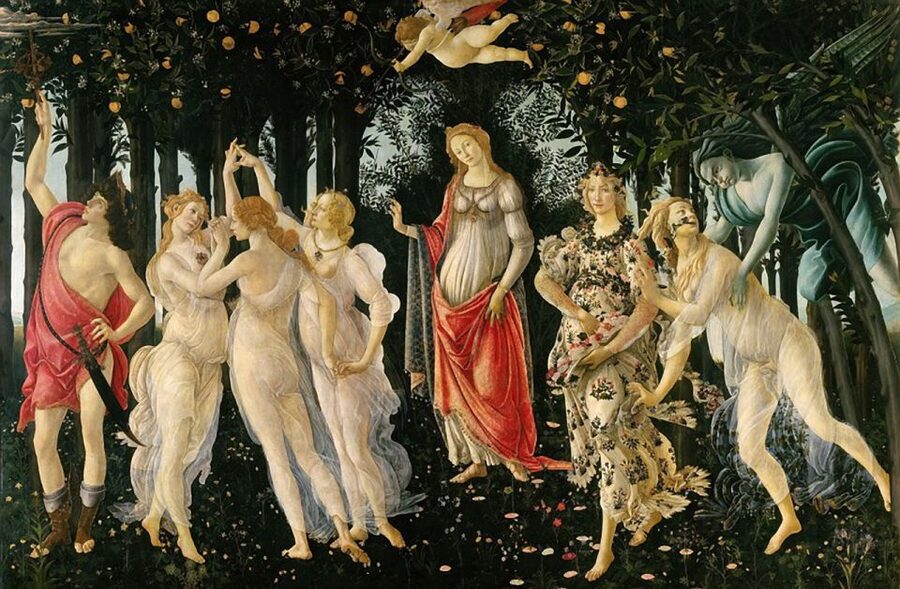
Botticelli’s Annunciation provides one of the tour’s most useful questions: why does the Virgin Mary’s bed have only one pillow?
That question sounds small, but it encourages children to inspect the room rather than look only at the central figures. It also shows how a painting can communicate through furniture, space, and everyday objects.
This is where the tour earns its family focus. A standard art explanation might cover the subject, artist, and period. The treasure hunt adds a visual puzzle that children can solve. The guide then supplies the context, so the activity does not stop at spotting things.
For adults, these details can be a pleasant reminder that familiar masterpieces reward a second look. You may know Botticelli’s name, but you may not have considered the bed, the pillow, or the room’s arrangement. I like tours that give you a reason to look again.
Three hours in a private group
The experience lasts three hours and includes the guided outdoor stops plus the Uffizi visit. The schedule identifies the Uffizi as a three-hour guided visit, so check the confirmed timing carefully when booking if you need to coordinate meals, trains, or another museum appointment.
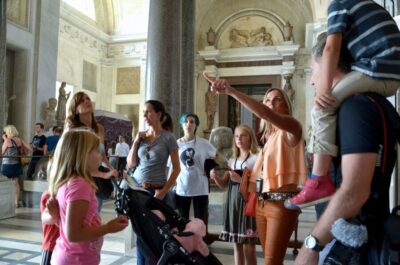
A private group changes the feel of the visit. You can ask questions without worrying about holding up a bus full of people. The guide can also watch the children’s energy and explain a clue again if it did not land the first time.
The tradeoff is cost. At $286.04 per person, the tour is not a budget way into the Uffizi. Admission is included, along with the booklet, earphones for up to eight people, the guide, and the family portrait at the end. Even so, the per-person price is substantial, especially for a larger family.
I would judge the value by your priorities. If you want a quick museum entry and already know how to guide children through art, you can spend less with another option. If your family needs structure, a private guide, and a way to keep children involved in a major museum, the extra cost may be worthwhile.
The price also buys more than information. It buys a plan. You do not have to decide which rooms matter, invent questions, or find a way to make the collection appealing to different ages. That can be a real benefit during a short Florence visit.
The family portrait and the end of the route
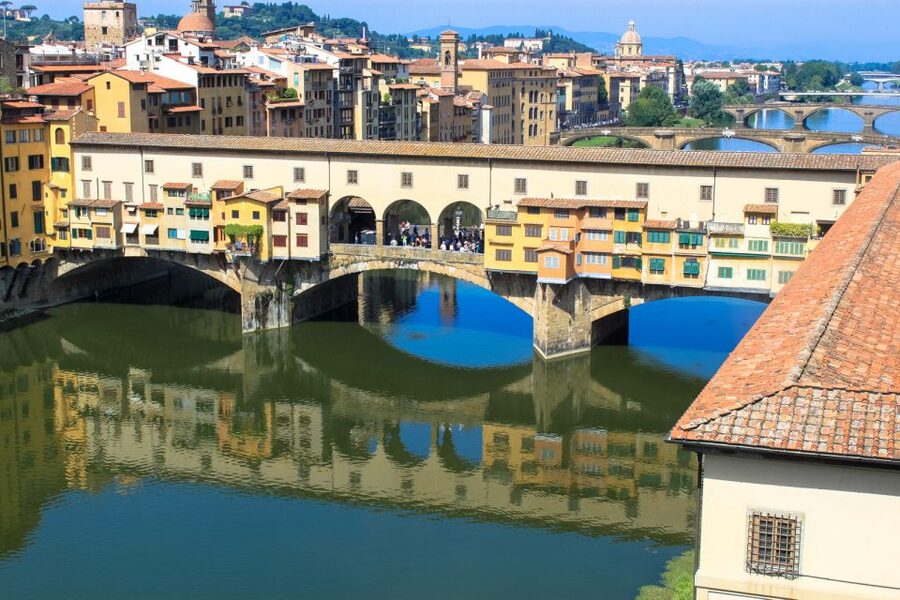
At the end, the tour returns to the Neptune Fountain meeting point. You also receive a family portrait taken during the experience and have space to add it to the booklet.
That small keepsake gives children a clear finish line. They have completed the clues, recorded answers, and leave with something tied to the activity rather than only a memory of crowded galleries.
The return to the starting point is convenient for planning. It does not leave you at an unknown corner of Florence. The information provided does not include a separate final stop or a meal break, so plan food and drinks outside the three-hour experience.
Accessibility and practical points
The tour is wheelchair accessible. The information does not describe the precise route conditions or any limitations within individual rooms, so a family using a wheelchair should confirm the details with the provider before booking if specific access needs matter.
Bring a passport or identity card. This is listed as required information, so keep it available rather than leaving it at your accommodation.
Cancellation is free up to 24 hours before the activity for a full refund. You can also reserve now and pay later, which helps if your Florence plans are still moving around.
One important date warning concerns the first Sunday of each month. Entry to the Uffizi is free then, but tickets cannot be reserved ahead of time and admission is not guaranteed. If your visit falls on that day, the paid private tour does not remove the entry risk described in the booking conditions. Check availability and confirm the plan before relying on it.
Who should book this Uffizi experience?
I would choose this for a family that wants the Uffizi to feel active rather than solemn. It suits children who enjoy finding things, answering questions, and working from a booklet. It also suits parents who want a guide to handle the art explanations while they focus on their children.
The tour is a strong fit if you have only one major museum visit in Florence and want help making it count. It is also useful for mixed-age groups, since young children can search for objects while older children and adults discuss symbols and artistic choices.
I would hesitate if cost is your main concern, if your children dislike guided activities, or if you want to see the museum at your own pace. Three hours is a serious commitment, and the price is high for a family outing.
Should you book it?
Book this Uffizi treasure hunt if you want close guidance, a private family setting, and a clear reason for children to study the art. The best parts are the playful clues, the unusual details in works such as Tondo Doni, Medusa, and Botticelli’s Annunciation, and the guide’s ability to keep the visit moving.
Skip it if you are comfortable exploring independently or need the lowest-cost museum option. At $286.04 per person, the value comes from personal attention and family engagement, not from admission alone. For parents who want their children to remember Florence through what they saw, not just where they went, that can justify the expense.
FAQ
How long does the Uffizi family treasure hunt last?
The activity lasts three hours. Check the available starting times when booking.
Where does the tour begin?
It begins at the Neptune Fountain in Florence.
Where does the tour finish?
The activity ends back at the Neptune Fountain meeting point.
Which sights are included before the Uffizi?
The route includes guided stops at Piazza della Signoria and the Loggia dei Lanzi before the Uffizi visit.
Which languages are available?
The live guide is available in English, French, German, Spanish, Italian, and Russian.
Is the tour private and wheelchair accessible?
Yes. It is a private group activity and is listed as wheelchair accessible.
What happens on the first Sunday of the month?
Entrance to the Uffizi is free on the first Sunday of each month, but tickets cannot be reserved in advance, so entry is not guaranteed.
More Family and Kids Games in Florence
- Hamburg: Scavenger Hunt Self-Guided Tour for Children
★ 4.5 · 319 reviews - Berlin: Self-Guided Family and School Class Scavenger Hunt
★ 4.6 · 128 reviews - Dresden: Old Town Scavenger Hunt for Children
★ 4.6 · 117 reviews - Leipzig: Scavenger Hunt Self-Guided Tour for Children
★ 4.4 · 105 reviews
More Treasure Hunts in Florence
- 2-Hour Private Treasure Hunt in Florence
★ 5.0 · 3 reviews - Kids treasure hunt in the Boboli Garden. Private, timed entry!
★ 5.0 · 2 reviews - Florence: Kids Treasure Hunt in Florence Downtown
★ 5.0 · 2 reviews - Hamburg: Treasure Hunt Game through HafenCity
★ 4.7 · 364 reviews
New puzzles around Florence
- Treasure Hunt in Florence for Families★ 4.5 · 3 reviews
- 2-Hour Private Treasure Hunt in Florence★ 5.0 · 3 reviews
- Private Family Tour – Uffizi Gallery for Kids★ 5.0 · 27 reviews
- Florence Haunted Secrets: Echoes of the Dead Exploration Game★ 4.0 · 9 reviews
- Florence Scavenger Hunt and Highlights Self-Guided Tour★ 4.5 · 3 reviews
- Kids treasure hunt in the Boboli Garden. Private, timed entry!★ 5.0 · 2 reviews
- Florence Highlights Self guided scavenger hunt and Walking Tour★ 4.5 · 3 reviews
- Private Kids Treasure Hunt in Palazzo Vecchio. Timed entry!★ 5.0 · 6 reviews
Family and Kids Games, head to head.



Greek Mythology Treasure Hunt for Kids – Athens Private Tour
Read our review →
Private Venice Family Tour with Saint Mark’s & Doge’s Palace
Read our review →Other lists this game appears in