
Review · ROME
Rome: Treasure Hunt for Kids and Families Trevi and Pantheon
Rome’s grand center can be a hard sell to tired children. This tour turns the walk into a game, with clues around the Trevi Fountain and Pantheon and small challenges that give kids a reason to look up, scan a column, and listen to the story behind the stone. The route also takes in the Spanish Steps and Piazza Navona, so you see a good slice of central Rome in two hours.
I like two things here. First, the guide does more than point at monuments: activities, quizzes, and trivia keep children involved. Second, the clues can reveal details adults often miss, such as the honey bees carved into a column, a detail guide Tomas used to keep a seven-year-old searching. The main drawback is the walking. This is not suitable for wheelchair users or people with mobility impairments, and the price of $105 per person is a serious family expense.
Key things to know before booking
- The treasure hunt uses Rome’s famous monuments as the classroom: Expect clues and questions at the Pantheon, Trevi Fountain, and along the city-center route.
- The Spanish Steps and Piazza Navona add variety: You are not confined to one square or one monument.
- The guide makes or breaks the experience: Maria, Tomas, Bruno, Francesco, Alessandra, and Gabriël have all led engaging versions of this activity.
- Children and adults play together: The questions are designed to keep the whole family involved, not just the youngest members.
- A prize is included: The winning player gets a small reward at the end.
- Plan for uneven city walking: The activity is specifically listed as unsuitable for wheelchair users and people with mobility impairments.
Why a treasure hunt works in central Rome
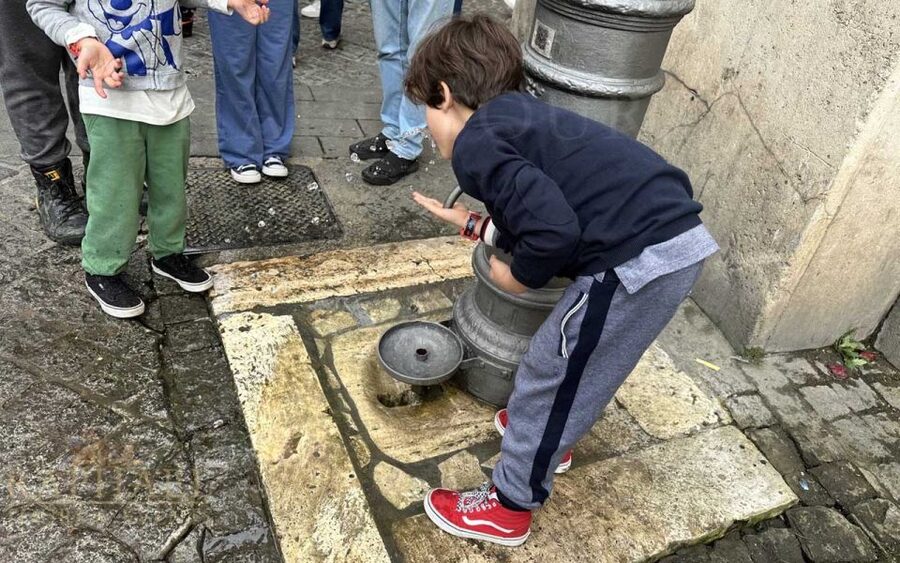
Rome’s center is full of wonders, but it can also feel like one long parade of statues, fountains, and church facades to a child. A treasure hunt gives the walk a purpose. Instead of asking your son or daughter to admire another old building, the guide can ask them to find a carving, solve a clue, or remember a fact for the next question.
That change matters. Children often notice small things before they understand the grand design. A bee carved into a column may hold their attention longer than a ten-minute lecture about Roman architecture. The activity uses that natural curiosity, then adds the story behind each detail.
I also like that adults are not pushed to the side. The guide’s quizzes and anecdotes are meant for the whole family. Parents get context about Rome’s monuments, while children have a task to complete. One family found that even a tired child stayed involved, which is useful information if your sightseeing day is already packed.
The tone depends on the guide. Names connected with especially engaging tours include Maria, Tomas, Bruno, Francesco, Alessandra, and Gabriël. You cannot assume which guide you will receive, but the format gives a good guide plenty of room to adapt the questions to the children in front of them.
More Family and Kids Games in Italy
- Rome: 2.5-Hour Family Vatican Highlight Scavenger Hunt
★ 4.6 · 51 reviews - Private Venice Family Tour with Saint Mark’s & Doge’s Palace
★ 5.0 · 50 reviews - Best of Florence Treasure Hunt Tour for Kids & Families
★ 5.0 · 44 reviews
Meeting at Piazza Mignanelli and the Spanish Steps
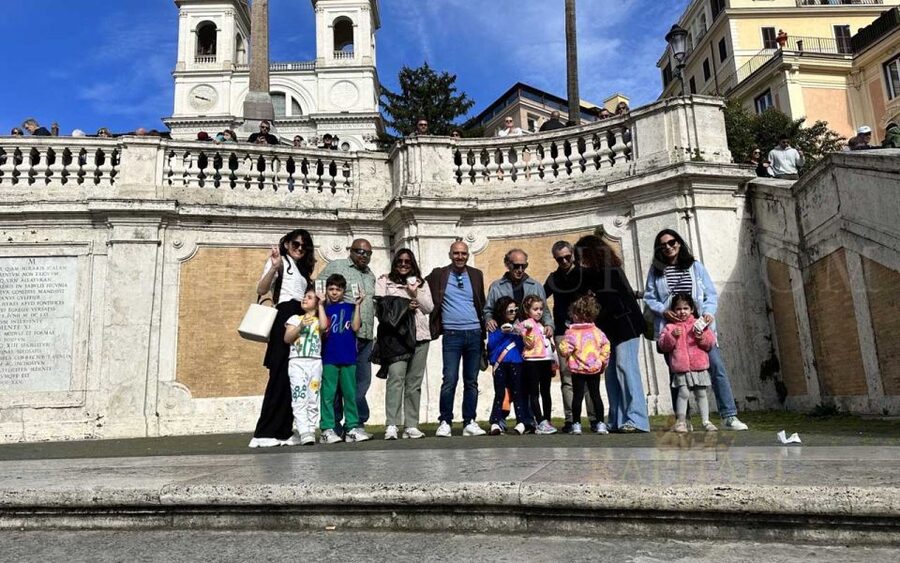
The meeting point is beside the Column of the Immaculate Conception in Piazza Mignanelli. This places you near the Spanish Steps, a sensible starting area for a walk through Rome’s central sights.
The column is a practical landmark, but you should arrive with enough time to find it. Piazza Mignanelli is close to the Spanish Steps, yet central Rome has many lanes, crowds, and nearby squares that can confuse a first-time visitor. Keep the meeting instructions available on your phone and confirm the starting time when you book.
The Spanish Steps are not just a photo stop. They give the guide an early chance to set the rules of the hunt and get the children searching. The first part of the activity matters because it establishes whether the kids understand the clue system and feel comfortable speaking up.
Do not expect a quiet, private setting. This is one of Rome’s most popular central areas. The benefit is that you begin among major landmarks rather than spending the opening of the tour on a long transfer. The tradeoff is foot traffic, steps, and a need to stay close to your guide.
If anyone in your party has trouble with stairs or extended walking, take the accessibility warning seriously. This is a walking activity through old city streets, not a vehicle-based tour.
Trevi Fountain turns sightseeing into a search
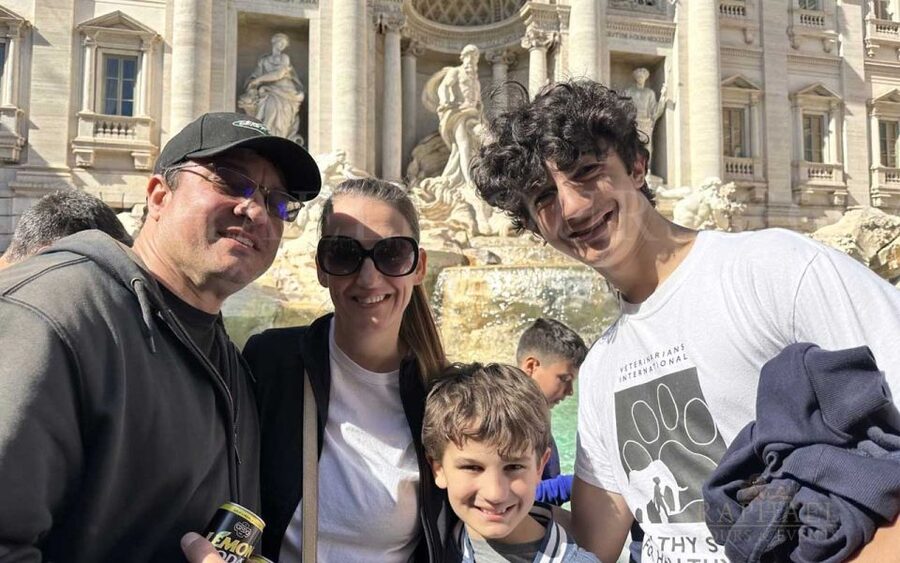
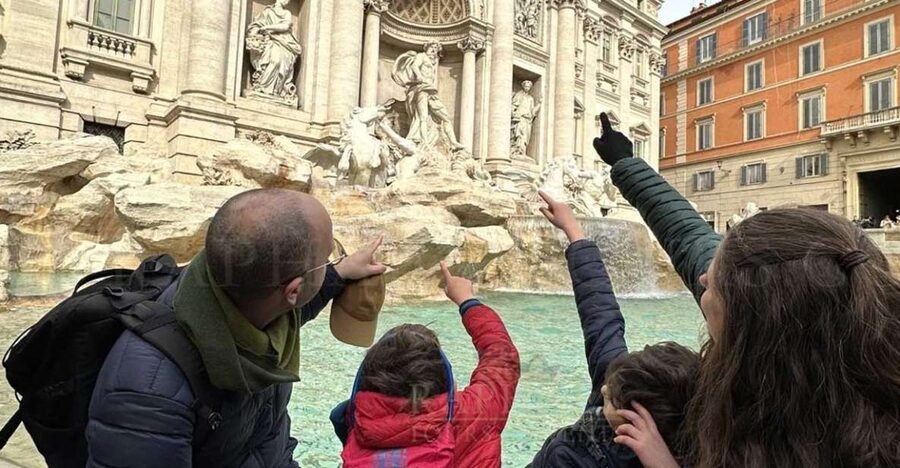
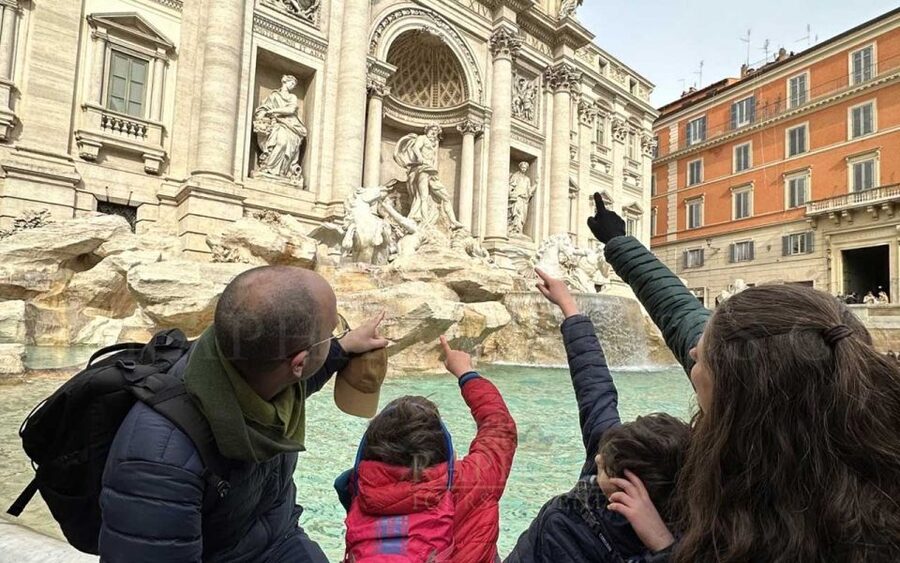
The Trevi Fountain is one of the best places for a visual treasure hunt. There is a lot to inspect, from the large central figure and theatrical water scene to the smaller sculpted details around the fountain. The guide can use those details for clues while explaining how the monument fits into Rome’s story.
This is also where the activity’s practical design becomes clear. At a famous sight, children may rush toward the water, take one picture, and ask when the next stop is. A question gives them something specific to find. A quiz makes them slow down and study the sculpture rather than simply glance at it.
The fountain area can be crowded, so keep your group together. You may need to wait for a clear view or listen while standing slightly away from the best photo position. That is normal for central Rome. The treasure hunt does not remove the crowds, but it gives the stop more structure.
Your guide may also add short stories and anecdotes that are easier to remember because they are tied to something you can see. This is one reason the format works for mixed ages. You get the explanation, while your child gets the hunt.
Piazza Navona adds space and stories
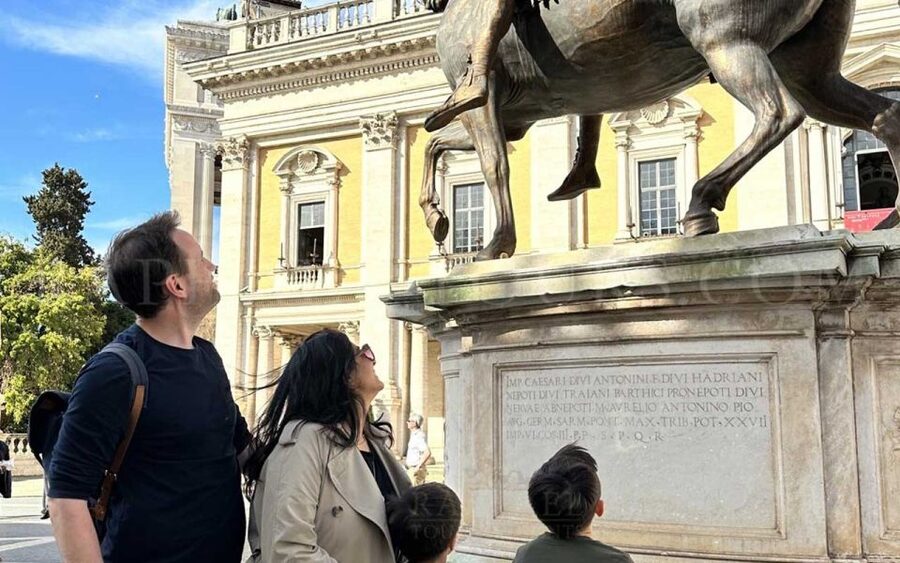
Piazza Navona is included among the central sights visited during the experience. Its long open shape provides a useful change after narrower streets and crowded fountain areas. It also gives the guide room to keep the group together while continuing the questions and trivia.
The square is a good place to connect Rome’s public spaces with everyday city life. You are still looking at major architecture, but you are also walking through a place where people gather, pause, and take pictures. The guide’s anecdotes can help children see that Roman monuments were built for public use and display, not simply placed in the city as museum pieces.
The exact order of the stops may vary, so treat the listed sights as the route’s main points rather than a minute-by-minute schedule. The activity is advertised at two hours, though one family’s outing lasted about two and a half hours. Allow some flexibility if the guide gives extra explanations, stops for photographs, or takes time with the hunt.
That longer pace can be helpful with children. You are less likely to feel pushed from one stop to the next. Still, if you have timed tickets, a restaurant booking, or an afternoon train, leave a buffer.
More Treasure Hunts in Italy
- Mostra Leonardo Da Vinci: Rome Treasure Hunt Game
★ 4.7 · 140 reviews - Florence Self-Guided Treasure Hunt & Medici Mystery Walking Tour
★ 5.0 · 69 reviews - Naples: The Path of the Immortals Treasure Hunt Walking Tour
★ 4.1 · 42 reviews - Kids treasure hunt in Uffizi museum Private, timed entry!
★ 5.0 · 15 reviews
The Pantheon is the strongest history stop
The Pantheon is likely to be the most rewarding stop for adults and older children. Its huge interior, unusual design, and long story give the guide plenty to explain. One family singled out this visit as the best part of the tour, and that makes sense: the building feels different from an outdoor fountain or piazza because you step inside a space where architecture, engineering, and religion meet.
The treasure hunt can make the Pantheon less passive for children. Rather than asking them to stand still while an adult explains the building, the guide can send them looking for details and use questions to break the information into smaller pieces.
A key practical point: entry tickets are not listed as included in the activity details. One guide, Tomas, had already obtained skip-the-line Pantheon tickets for his group, which made that visit easier. Treat this as a guide-specific arrangement, not a promise that admission or reserved entry comes with every booking. Confirm the ticket plan before you go if entering the Pantheon is important to you.
The Pantheon also gives the tour a useful change of pace. You move from busy outdoor Rome into a more focused monument visit, then return to the streets for the rest of the hunt. Children may appreciate the variety, especially if the guide keeps the explanation short and gives them a task.
How the guides keep children involved
The guide is the heart of this experience. The listed language is English, and the activity includes a live guide rather than a self-guided worksheet. That means the questions can be adjusted as the group moves along.
Tomas was praised for asking a child to find details such as honey bees carved into a column. That is a good example of the right approach: the guide connects a small visual clue to a larger story, then lets the child discover it. Alessandra was described as holding the attention of both adults and children for more than two hours. Bruno kept children involved even when one child was unwell and the others were tired.
These examples point to the tour’s best quality: it is interactive without requiring children to perform. A shy child can search, answer quietly, or simply follow along. An outgoing child can take the lead and compete for the prize.
The adults get something worthwhile, too. Francesco was praised for pointing out details that are easy to miss when walking alone. Gabriël used anecdotes and lesser-known facts to make the center more than a checklist of famous sites. You should expect a family tour, but not a watered-down one.
The guide may also suggest a café stop. Tomas brought one family to what he considered the best café in town. That kind of recommendation can be useful, but it is not presented as a fixed part of the tour, so do not book the activity solely for a café visit.
What $105 per person buys you
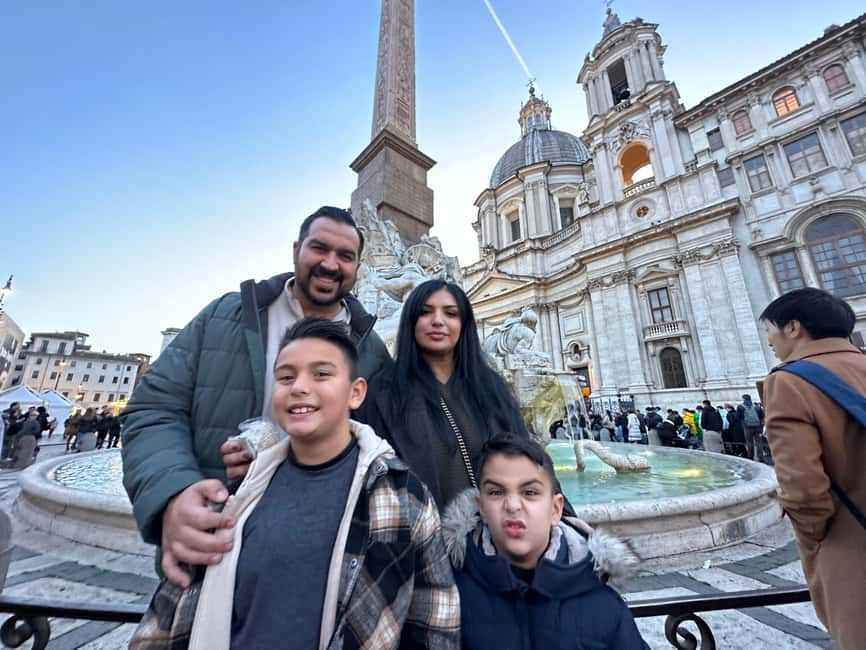
At $105 per person, this is not a cheap way to get an introduction to Rome. A family of four would spend $420 before any additional food, admission charges, or transport. You should compare that total with a regular private walking tour and ask what your family actually needs.
The price has more value if your children are at the age when ordinary sightseeing quickly loses them. You are paying for a live guide, a planned route, custom questions, interpretation, and a prize. You are also buying a structured two-hour block in which the adults do not have to invent games or keep explaining why another monument matters.
It is less good value if your children already enjoy wandering through churches and piazzas without a game. If you mainly want quick photo stops, you may find the treasure hunt too slow or too expensive. The activity makes the most sense for families who want their children to learn while walking and who value a guide’s ability to hold attention.
The price does not clearly include Pantheon admission. Since one family had skip-the-line tickets arranged by its guide, ask about this before booking. That single detail can affect your final cost and your expectations.
Walking time, energy, and family comfort
Two hours sounds manageable, but Rome’s center asks you to stay alert. You will walk between several major sights, stand at busy monuments, and use old streets that may not be easy for every participant. The activity is not suitable for wheelchair users or people with mobility impairments.
Bring water, wear comfortable shoes, and keep the day around it light. The guide may keep children engaged, but a treasure hunt cannot remove heat, crowds, stairs, or tired legs. A morning start may suit families better than placing this after a full day of museums and ruins, though the available starting times depend on the date.
A small snack before meeting the guide can help. The activity is only two hours, but children tend to enjoy a game more when they are not hungry. If your child is very young, explain that the hunt involves walking through busy streets and staying near the adult group.
The experience is a good first-day option because it gives you a guided look at several central areas without trying to cover every part of Rome. You gain a basic sense of the city’s layout, then can return later to the places your family liked best.
Who should book this Rome treasure hunt
I would recommend it most strongly to families with children who enjoy puzzles, spotting games, questions, and small rewards. It also suits parents who want cultural sightseeing but do not want to spend two hours negotiating with bored children.
Older children can take the clues seriously and compete for the prize. Younger children may enjoy searching for visual details even if they do not follow every historical explanation. Adults who like architecture and local anecdotes will have enough material to make the tour worthwhile.
It can also work without children. One participant found the activity enjoyable for adults, but the family format is part of its charm. If your group has no interest in games, trivia, or clues, a standard history walk may fit better.
I would not choose it for anyone with limited mobility, for a family that needs guaranteed step-free access, or for a schedule with no room for delay. I would also confirm the Pantheon ticket arrangement before paying, since entry is not clearly included.
Should you book it?
Book this tour if you want Rome’s center to feel like a shared family activity rather than a sequence of adult explanations. The best guides turn a carved bee, a fountain detail, or a Pantheon feature into a reason for children to look closely. That can change the mood of an entire sightseeing day.
Skip it if $105 per person stretches your budget, if your children dislike structured games, or if mobility is a concern. For the right family, the value lies less in the number of monuments than in the way the guide helps everyone notice them. Maria, Tomas, Bruno, Alessandra, Francesco, and Gabriël show the kind of warm, involved guiding this format can provide, but the guide assigned to your date will shape the final experience.
FAQ
Where does the treasure hunt meet?
Meet your guide beside the Column of the Immaculate Conception in Piazza Mignanelli.
How long does the activity last?
The advertised duration is two hours. One family’s experience lasted about two and a half hours, so allow extra time if the guide extends explanations or photo stops.
Which Rome sights are included?
The experience covers the historic center, including the Spanish Steps, Trevi Fountain, Pantheon, and Piazza Navona.
What language is the tour in?
The live tour guide speaks English.
Is a prize included?
Yes. A prize for the winner is included.
Are Pantheon tickets included?
Pantheon admission is not listed among the included features. One guide had already obtained skip-the-line tickets for a group, but you should confirm the ticket arrangement for your booking.
Is the tour suitable for wheelchair users?
No. The activity is listed as unsuitable for wheelchair users and people with mobility impairments.
New puzzles around Italy
- Genoa Historic Centre Quest: A Self-Guided Puzzle Adventure★ 4.0 · 3 reviews
- Treasure Hunt in Florence for Families★ 4.5 · 3 reviews
- 2-Hour Private Treasure Hunt in Florence★ 5.0 · 3 reviews
- Florence Haunted Secrets: Echoes of the Dead Exploration Game★ 4.0 · 9 reviews
- Florence Scavenger Hunt and Highlights Self-Guided Tour★ 4.5 · 3 reviews
- Private Family Tour – Uffizi Gallery for Kids★ 5.0 · 27 reviews
- Kids treasure hunt in the Boboli Garden. Private, timed entry!★ 5.0 · 2 reviews
- Florence Highlights Self guided scavenger hunt and Walking Tour★ 4.5 · 3 reviews
Family and Kids Games, head to head.



Greek Mythology Treasure Hunt for Kids – Athens Private Tour
Read our review →
Private Venice Family Tour with Saint Mark’s & Doge’s Palace
Read our review →Other lists this game appears in