
Review · REYKJAVIK ESCAPE
Reykjavik: 1-Hour Prison Break Escape Game
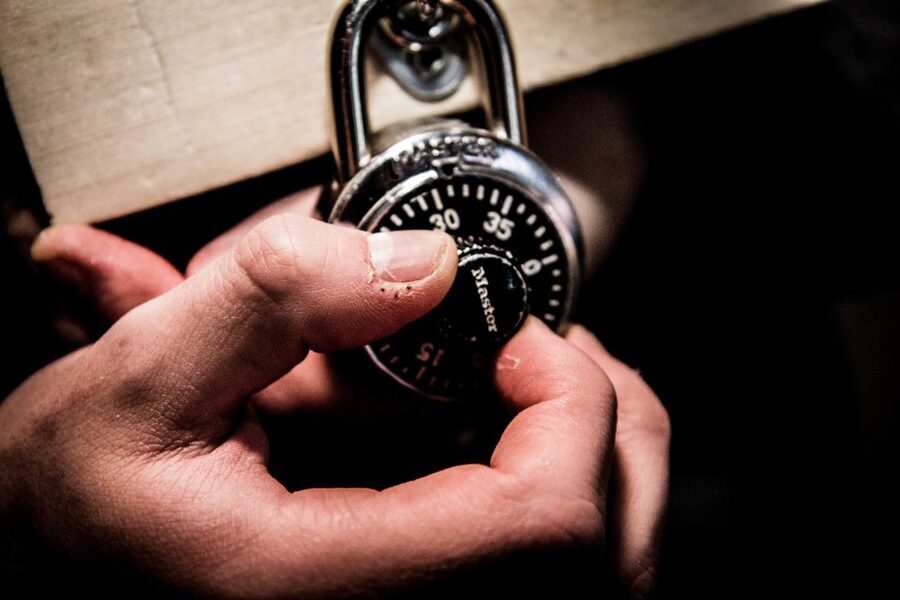
Reykjavik’s Prison Break escape game puts you inside a real prison cell, then gives you one hour to find clues, crack codes, and escape before the guards make their rounds. I like the strong story setup and the fact that this is a private group activity, so you solve the puzzle with your own companions rather than strangers. I also like the compact format, which fits neatly into a day of sightseeing.
The main drawback is simple: you may not get out. One group found a clue that did not help and got distracted by drawings left by earlier players. That is part of the fun, but it also means you need to sort useful evidence from red herrings without losing precious minutes.
Key points at a glance

- A real prison cell: The game takes place in an actual cell rather than a generic themed room.
- A one-hour deadline: You have 60 minutes to solve the central escape challenge.
- A private group of 2 to 6: You play with your own party, with two rooms available for larger bookings.
- A dramatic fictional plot: You have been framed for murder and sentenced to death.
- An English-language host or greeter: Instructions and assistance are provided in English.
- A practical Reykjavik stop: The activity begins and ends at Reykjavik Escape, Borgartún 6.
Entering the real cell in Borgartún
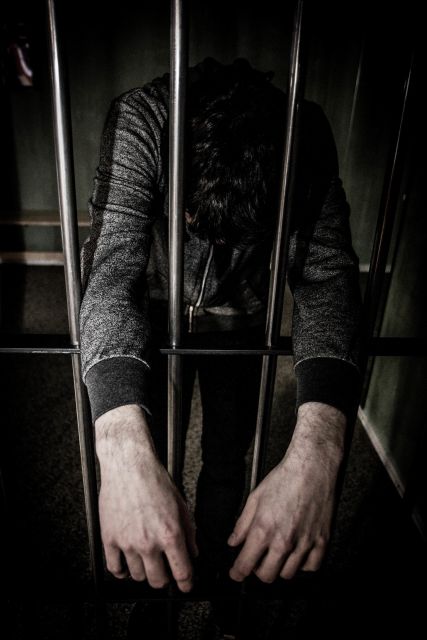
The experience begins at Reykjavik Escape, at Borgartún 6 in Reykjavík. You meet the English-speaking host or greeter there, and the activity also finishes at this same address. That makes the plan easy: no separate transport, walking route, or distant pickup point needs to be arranged.
The central appeal is the setting. You are not simply sitting around a table with a stack of puzzle cards. You enter a real prison cell and take on a story built around confinement, suspicion, and a ticking clock. The physical setting gives the game a sharper edge, even before you solve the first clue.
The premise is deliberately theatrical. A criminal mastermind has framed you for murder. Your pleas have failed, you have been sentenced to death, and you are locked inside a maximum-security prison. The guards will make their rounds in exactly one hour. That is your chance to escape.
You do not need to treat the plot as serious drama. It is a framework for the puzzles, and it gives every code and hidden clue a reason to exist. If you like escape rooms with a clear goal, this is more satisfying than a room where you simply solve unrelated riddles until the clock stops.
One-hour experiences to book around the world:
- One Hour Adventures in The Escape Game Atlanta: The Interlock
★ 5.0 · 207 reviews - Escape Room Experience – SCORCHED (Approx 1 hour)
★ 5.0 · 184 reviews - Escape Room Experience – DISARM (Approx 1 hour)
★ 5.0 · 142 reviews
How the 75-minute visit works
The booking is described as a 75-minute activity, while the actual Prison Break challenge lasts one hour. The extra time allows for the arrival, introduction, and closeout, though the exact breakdown is not specified. Plan on setting aside the full 75 minutes rather than arriving with only a 60-minute gap in your schedule.
Once the game begins, your group searches for hidden clues, breaks codes, and works through riddles. The goal is to make sense of the evidence before the guards return. Every minute matters, but speed alone will not help if your group follows the wrong lead.
You might find that the best first move is to divide the work. One person can inspect the cell carefully, another can record numbers or symbols, and someone else can test the logic of a riddle. This is practical advice rather than a guaranteed strategy, since the exact puzzle layout is not provided. Still, escape rooms reward clear communication more than one person trying to control every clue.
The activity tests resourcefulness as much as puzzle skill. You need to notice details, explain your thinking, and admit quickly when an idea is not working. A group that can reset after a wrong turn will usually have a better chance than a group that stubbornly defends its first theory.
Why the prison setting matters
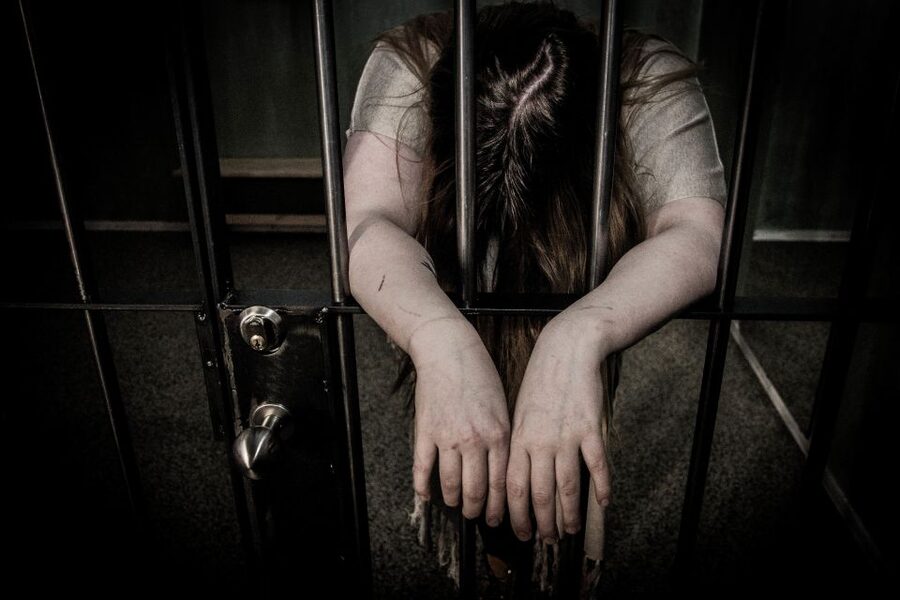
The real-cell setting gives this activity its strongest sense of place. Reykjavik has plenty of tours built around scenery and outdoor adventure. This one takes you indoors and asks you to pay attention to locks, clues, codes, and the limited space around you.
That makes it useful on a rainy day or during a break from sightseeing. You do not need good weather, special clothing, or a long block of travel time. The experience also offers a different kind of Iceland memory. Instead of another view, waterfall, or geological stop, you get a shared problem that your group will still be discussing afterward.
The cell is also important for the mood. A fictional sentence and a one-hour deadline feel more immediate when the story unfolds in a place made for confinement. You are still playing a game, but the setting gives the challenge a physical focus.
Keep expectations sensible. The available information confirms a real prison cell, hidden clues, codes, and riddles, but it does not describe specific props, special effects, or the exact prison history of the room. Book it for the puzzle challenge and setting, not for a large theatrical production.
Working through clues, codes, and misleading marks
The puzzle design seems to mix several types of tasks. You may need to find a hidden clue, interpret a drawing, connect information, or enter a code. That variety matters because it gives different members of your party a chance to contribute.
Some people are good at spotting patterns. Others are better at wordplay or remembering details. A private group works well here because you already know how to divide responsibilities. You can also speak freely without worrying about slowing down strangers.
There is one useful warning: not every mark in the room will help. Drawings left by previous players confused one group, and a clue they received did not move them forward. You should treat anything that appears in the room with care, but do not assume every visible mark is part of the current game.
That does not necessarily mean the puzzles are unfair. It does mean you should ask for clarification if your group becomes stuck or if something seems inconsistent. The supplied information does not explain how hints are handled, so do not assume unlimited guidance or a particular hint system. The host is there to run the activity, but the exact level of help is not stated.
A good group habit is to keep a simple record of what you have tested. Escape rooms can become muddled when several people try the same code or forget why an idea was rejected. Writing down numbers, symbols, and failed combinations can prevent repeated work.
More escape games around the world:
- Branson Murder Mystery- Branson’s Original #1 Murder Mystery
★ 5.0 · 1,513 reviews - Sofia Escape Room – Teorema Rooms
★ 5.0 · 895 reviews - True Crime NYC: Mafia Walk w/Ret. NYPD Detective and Local Food
★ 5.0 · 848 reviews - Saw2 vs Squid Game – Escape Game Montpellier
★ 5.0 · 752 reviews
Choosing the right group size
The room is designed for 2 to 6 people. That range changes the feel of the game.
With two people, every clue lands on the same small team. You may have fewer opinions to sort through, but you also have fewer eyes searching the room. A pair should communicate constantly and avoid spending too long on one puzzle.
Three or four people may offer the best balance for many groups. You have enough hands to search and think at the same time, while still being able to discuss each discovery. Five or six people can bring more ideas, though a crowded puzzle room can make it harder for everyone to participate.
There are two rooms available, and up to 12 people can play at the same time. That is useful for a larger family group or two small parties traveling together. The important point is that the room limit remains 2 to 6 people, so a group of 12 would be divided between the two rooms rather than placed together in one cell.
The activity is listed as a private group experience. I consider that a real benefit. You can choose your own teammates, keep the mood relaxed, and avoid being paired with people whose puzzle style does not match yours.
Who should book this activity
This escape game suits people who enjoy logic puzzles, timed challenges, and shared problem solving. It is also a good choice for a group that wants something active without committing to a full-day excursion.
Families can consider it, but age rules matter. Unaccompanied minors are not allowed. Children under 10 must be accompanied by at least one adult per room. That means an adult needs to be present in each room used by the children, not simply somewhere at the venue.
The activity may also work well for couples and friends. Two people can take on the challenge as a team, while a larger party can divide into rooms. The private format gives you more control over the experience than a public group attraction.
It may be less suitable if you dislike countdowns, confined settings, or puzzles with no clear answer at first. The fictional death-sentence plot is part of the setup, so anyone uncomfortable with that theme should know what they are booking. The available details do not describe accessibility features or the physical size of the cell, so contact the provider directly if mobility or space is a concern.
Is $49 a fair price?
At $49 per person, this is not the cheapest short activity in Reykjavik. The value depends heavily on your group size and how much you enjoy escape rooms.
For a group of two, you are paying for a private, one-hour puzzle experience in a real cell. That is a fairly focused purchase, not an all-day attraction. For a group of four to six, the price buys a shared activity that can fill a useful part of your schedule without transport costs or a major time commitment.
The strongest value points are the private format, the unusual setting, and the fact that the game gives your group a clear task rather than passive entertainment. You are paying for participation. If your group enjoys solving problems together, the hour can feel well spent even if you fail to escape.
The value is weaker if your party rarely enjoys puzzles or becomes frustrated when clues do not immediately make sense. The outcome is not guaranteed, and one group did not escape. That is not a flaw by itself, but you should be comfortable paying for the attempt and the shared experience, not only for success.
Fitting the game into a Reykjavik day
Because the activity starts and ends at Borgartún 6, it is easy to place between other plans in the capital. The listed duration is 75 minutes, so leave room before and after it rather than booking another activity at the exact end time.
The indoor format is especially useful when weather disrupts outdoor plans. You can also use it as a change of pace after museums, city walking, or other sightseeing. No transport is included or required as part of the activity, and there is no separate end point to reach.
Starting times vary, so you need to check availability when choosing a slot. The flexible booking terms also help: you can reserve now and pay later, and cancellation is free up to 24 hours before the activity for a full refund. Those rules are useful when Iceland weather or a changing city schedule makes firm planning difficult.
My practical strategy for escaping
Before the timer starts, make sure everyone understands the basic story and goal. Once inside, search methodically rather than grabbing the first interesting object. The information provided does not identify the exact clue locations, so you should expect to discover the room’s logic as you go.
Share every discovery out loud. A number that seems useless to one person may fit a pattern another person has noticed. At the same time, give each clue a short test and move on if it leads nowhere. The previous drawings that confused one group are a reminder that extra information can cost time.
Keep the room organized as you work. Separate solved clues from items still in question, and make sure only one person enters a code at a time. If the host gives your group a hint, listen closely and apply it rather than continuing to argue for an old idea.
Most of all, do not measure the value of the activity only by escaping. The stated challenge is to beat the clock, but the fun comes from the process: finding a lead, testing a theory, and seeing your group suddenly make sense of a difficult sequence.
Should you book Reykjavik’s Prison Break escape game?
Book it if you want an indoor Reykjavik activity with a clear story, a real-cell setting, and a private puzzle challenge. It is a good match for two to six people who enjoy working together and can laugh when a clue sends them in the wrong direction.
Think twice if your group dislikes confinement, timed games, or fictional death-sentence themes. At $49 per person, the experience is best value for people who will actively enjoy the puzzle itself, not for anyone looking for a passive attraction.
If that sounds like your group, the one-hour game offers a compact and unusual break from standard sightseeing. Just arrive ready to communicate, question misleading details, and accept that the guards might win.
FAQ
How long does the activity last?
The full activity duration is 75 minutes. The central Prison Break escape game lasts one hour.
Where does the game begin?
It begins at Reykjavik Escape, Borgartún 6, 105 Reykjavík, in Iceland’s Capital Region.
Where does the activity finish?
The activity ends back at the same meeting point, Reykjavik Escape.
How many people can play in one room?
Each room is designed for 2 to 6 people.
Can larger groups play at the same time?
Yes. Two rooms are available, allowing up to 12 people to play at the same time.
Is the activity private?
Yes. The group type is private, so you play with your own party.
What language is the activity offered in?
The host or greeter and the activity are offered in English.
Can children participate?
Unaccompanied minors are not allowed. Children under 10 must be accompanied by at least one adult per room.
New puzzles around the world
- Leavenworth Locomotion, KS Scavenger Hunt★ 5.0 · 2 reviews
- Unique Scavenger Hunt Experience in Wichita by Zombie Scavengers★ 3.5 · 2 reviews
- Fun Scavenger Hunt in Overland Park by Zombie Scavengers★ 3.5 · 3 reviews
- The Dinner Detective True Crime Murder Mystery Show – Wichita, KS★ 5.0 · 11 reviews
- Amazing Scavenger Hunt: Wichita, To The Arkansas River★ 3.5 · 2 reviews
- Saugatuck Showdown Scavenger Hunt★ 3.0 · 2 reviews
- Murder Mystery Detective Experience in Shawnee KS★ 3.0 · 3 reviews
- Outdoor Escape Room in Kansas City – the Garment District★ 5.0 · 19 reviews