
Review · SINGAPORE
Feast of Fury – Ransack Puzzle Hunt
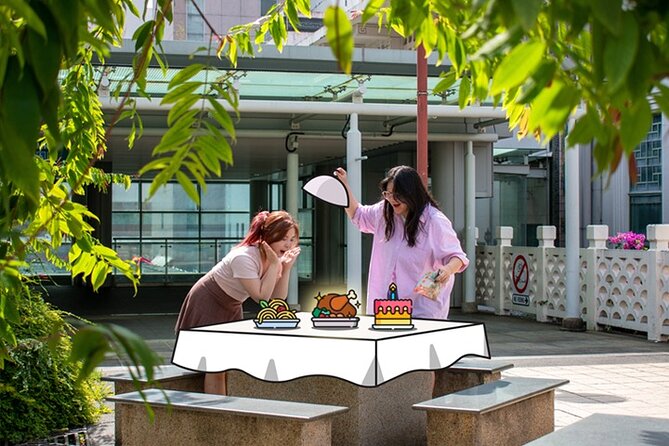
Singapore’s Chinatown becomes your game board in this food-themed puzzle hunt. You’ll start at the Chinatown Heritage Centre, then follow clues through streets, shophouses, murals, and lesser-seen corners as Pepper the dinosaur tries to stop a meal-stealing Nian Monster. I especially like the way the activity makes you look closely at places you might otherwise walk past, and the puzzles give Chinatown a clear purpose rather than turning the outing into a standard guided walk.
I also like that the challenges are designed for mixed groups. The puzzles are creative without being impossibly hard, and families, couples, local friends, and first-time visitors can work together. The main drawback is practical: you’ll walk for much of the two-hour hunt in Singapore’s heat, so comfortable shoes, light clothing, and an umbrella are smart choices.
Key points to know before you book
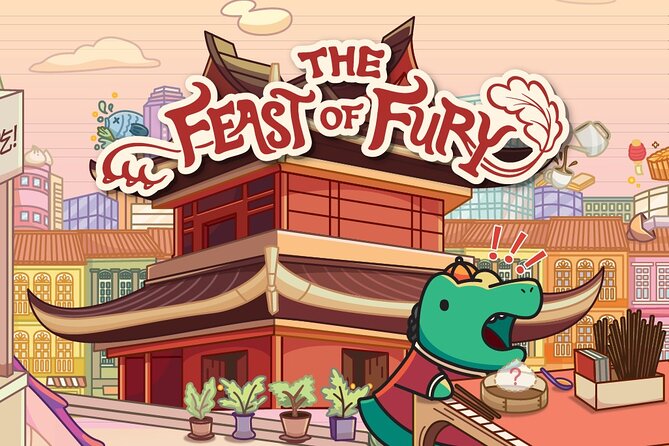
- Chinatown becomes the puzzle board: Clues lead you through murals, shophouse streets, and corners you may not find on a normal sightseeing walk.
- Food history drives the story: The hunt connects Pepper’s missing meals with Singapore’s hawker-food origins.
- The puzzles are challenging but manageable: You’ll need teamwork and observation, but the activity is not designed to leave you stuck at every turn.
- The outing begins at the Chinatown Heritage Centre: The opening stop adds cultural context before the outdoor game begins.
- Plan for heat and walking: The hunt lasts about two hours, with the full experience taking roughly three and a half hours.
- Small groups work best: The maximum group size is 20 people, and the format suits couples, families, and friends.
How the Feast of Fury hunt works
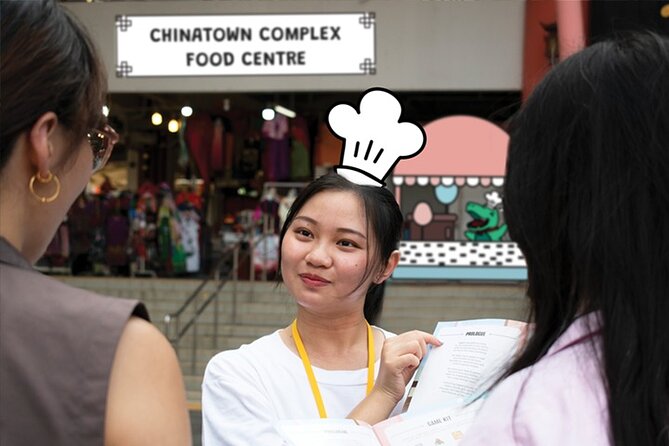
This is not a conventional Chinatown tour with a guide talking while you follow behind. It is closer to an outdoor escape room mixed with a treasure hunt, with Singapore’s food culture providing the setting and storyline.
Your mission is to help Pepper, a hungry dinosaur, rally the townsfolk against a Nian Monster that keeps stealing meals. To do that, you search for the Feast of Fury, solve clues, and complete a chain of games spread around Chinatown.
The story gives the walking a useful shape. Instead of simply being told to look at a mural or a shophouse, you have a reason to examine it. A detail that might blend into the streetscape during an ordinary walk can become the answer to a puzzle.
You should expect to solve problems as a team. Some clues are quick wins, while others may take patience and a second look. The challenge is part of the appeal, but the game is not meant to feel like a test you can fail alone. Families can work through it together, and adults can share the solving rather than leaving younger children to watch.
The main puzzle portion lasts about two hours. With the opening visit to the Chinatown Heritage Centre and the surrounding time needed for the activity, plan on roughly three hours and 30 minutes in all.
More escape games around the world:
- Branson Murder Mystery- Branson’s Original #1 Murder Mystery
★ 5.0 · 1,513 reviews - Sofia Escape Room – Teorema Rooms
★ 5.0 · 895 reviews - True Crime NYC: Mafia Walk w/Ret. NYPD Detective and Local Food
★ 5.0 · 848 reviews
Starting at the Chinatown Heritage Centre
The experience begins at the Chinatown Heritage Centre on Pagoda Street. This opening stop helps you understand the area before the game sends you out into it.
The centre is especially useful here because the hunt is not only about finding answers. It also introduces Chinatown’s cultural significance and Singapore’s culinary past. That context gives the food theme more substance. You are not just chasing fictional meals through the streets, you are connecting the game with the real development of hawker food in Singapore.
The meeting point is 48 Pagoda Street, Singapore 059207. It is close to public transportation, which makes the start fairly practical if you are already visiting Chinatown. The stated opening hours are 10 a.m. to 6 p.m., Monday through Sunday, during the listed operating period.
Because the full experience takes about three and a half hours, think about your start time carefully. A midday outing may be convenient, but it can also mean more heat during the outdoor portion. The schedule information does not specify the exact departure times for each booking, so check your confirmation before setting your day around it.
Finding the less obvious side of Chinatown
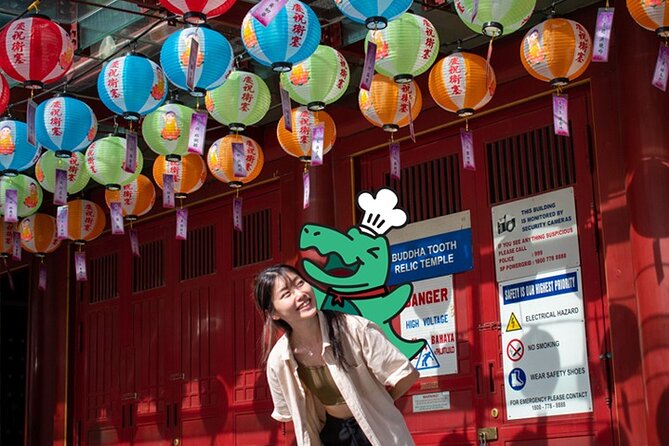
The best part of this activity is the way it changes your attention. Chinatown has famous streets and well-known sights, but the puzzle route encourages you to look at details rather than simply move from one major stop to the next.
You may be sent toward murals, shophouses, and side streets that do not feature in a quick sightseeing circuit. The game format rewards you for noticing what is around you. That makes the experience useful for someone who already lives in Singapore as well as someone seeing Chinatown for the first time.
The route also appears to cover a broad portion of the neighborhood. You should not expect to remain in one small area near the meeting point. The walking is a feature, but it is also the main physical demand. One especially useful piece of advice is to wear comfortable shoes and bring an umbrella. Singapore’s heat can make a two-hour outdoor hunt feel longer, particularly if you are focused on a difficult clue.
This is not the right choice if you want a short, seated activity. It is a better match for you if you like exploring on foot and do not mind pausing in the street to study a clue, compare ideas, or retrace your steps.
Food, clues, and Singapore’s hawker story

The food theme gives the hunt its local character. Singapore’s hawker centres are a major part of everyday life, and the activity uses that subject to introduce the origins of hawker food.
The information provided does not promise a meal or food tastings, so do not book this expecting a culinary tour with dishes included. Instead, you learn through the story, clues, and places connected to Chinatown’s food culture.
That distinction matters when you compare this with a food walk. A conventional food tour is built around eating and explanation. Feast of Fury is built around discovery and problem-solving. You might finish hungry, but you will have spent the afternoon thinking about how Singapore’s food traditions developed and how they fit into the neighborhood.
I like this approach because it avoids treating Chinatown as a backdrop. The food clues tie the fictional story to an important part of Singaporean life, while the route gives you reasons to notice the built environment around you.
Same streets, a different puzzle:
- Saw2 vs Squid Game – Escape Game Montpellier
★ 5.0 · 752 reviews - Prague Wizard Experience Magic School Escape Game
★ 5.0 · 746 reviews - The Escape Game Orlando: Epic 60-Minute Adventures on I-Drive
★ 5.0 · 730 reviews - The Escape Game Pigeon Forge: 60-Minute Adventures on The Island
★ 5.0 · 646 reviews
The puzzles: creative, social, and not too severe
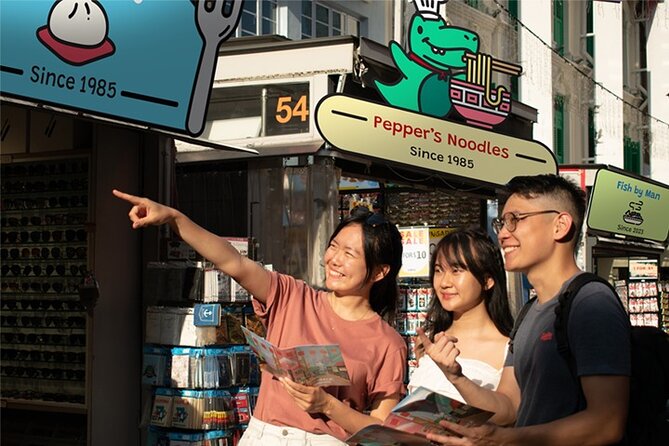
The puzzles are the heart of the experience. They ask you to search, interpret, and combine information rather than simply answer trivia questions.
You may find some challenges easy and others more demanding. That uneven rhythm is useful. If every clue were difficult, the hunt would become frustrating. If every clue were obvious, the activity would feel like a checklist. The available feedback points to a middle ground, with challenges that can slow you down without making you want to quit.
A game master helps keep the experience moving. Zhi Yang is specifically noted for giving clear directions, which is important in an outdoor activity where a vague instruction can send a group down the wrong street. The available information does not say that Zhi Yang leads every departure, so you should not assume he will be your game master on a particular date.
Teamwork is more important than specialist knowledge. You do not need to arrive as an escape-room expert. You do need to communicate, compare what each person has noticed, and stay patient when the answer is not obvious.
For couples, the activity provides a shared task instead of a passive walk. For friends, it creates a playful competition. For families, it gives children a reason to stay engaged with the surroundings.
Taking children on the hunt
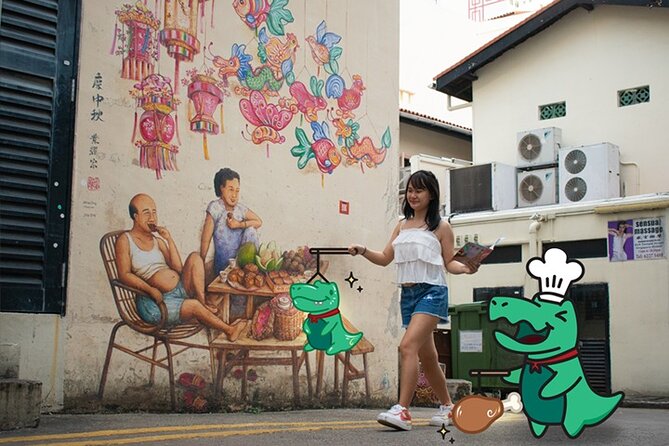
Families can make this work, but the age mix matters. Children aged 11 and 8 have taken part, with both enjoying the riddles and the walking. The younger child needed help with the final problem, so you should expect parents and older children to provide support.
That is not a criticism of the activity. Puzzle hunts naturally work better when a group combines different strengths. An adult may understand a word clue, while a child notices a visual detail first.
Still, do not assume every child will solve each stage independently. Younger children may tire from the walking or struggle with a harder final challenge. Bring patience, water, and a willingness to treat the game as a shared family project.
The activity is also suitable for adults without children. The puzzles are not presented as a children’s-only game, and the escape-room element gives couples and friend groups enough to think about.
What the three-and-a-half-hour schedule means

The published duration is approximately three hours and 30 minutes, with the main puzzle hunt taking about two hours. The remaining time belongs to the opening Chinatown Heritage Centre visit and the overall flow of the experience.
That makes this a substantial half-day activity, not a quick add-on between two attractions. Leave enough space before your next booking, especially because the outdoor route involves walking and solving rather than moving on a fixed sightseeing timetable.
The hunt ends back at the meeting point on Pagoda Street. This is convenient if you want to continue exploring Chinatown afterward, find a meal, or use public transportation from the same area.
The activity has a maximum of 20 participants. That is not a private tour, but it is also not a huge crowd. The exact feel will depend on the number booked for your departure. A smaller group should make it easier to discuss clues, while a fuller group may bring more ideas to the solving.
Is $36.34 a fair price?
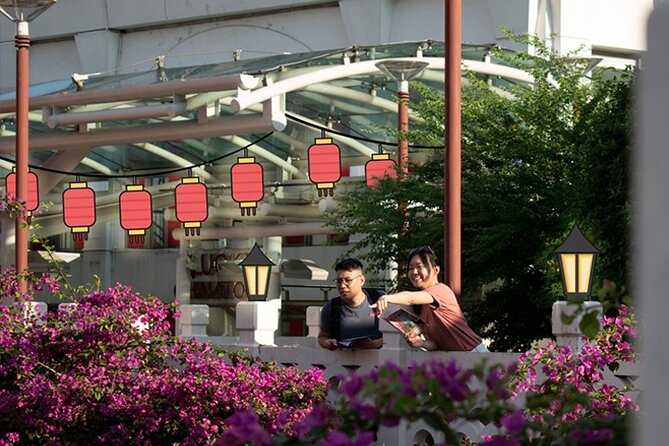
At $36.34 per person, the value depends on what sort of Chinatown experience you want. You are paying for a structured activity that combines a heritage-centre visit, an outdoor puzzle hunt, a game story, and local food context. You are not paying simply for transport or a meal.
I consider the price reasonable if you enjoy escape rooms, scavenger hunts, or interactive city walks. A regular self-guided walk through Chinatown costs less, of course, but it does not provide the same sequence of clues, group problem-solving, or game-master support.
The price is less attractive if you mainly want a guided explanation of Chinatown’s history or a food-tasting itinerary. This activity teaches through play, and that means some of your attention will go toward solving rather than listening to a detailed historical talk.
You will get better value when you share the experience with people who enjoy puzzles. If one person in your group dislikes games or prefers a quiet cultural visit, that mismatch could make the cost feel high.
The experience is often booked about 14 days ahead, so it is sensible to reserve before your Singapore visit if the dates matter. Confirmation is provided at booking, and the ticket is mobile, which keeps the entry process simple.
Heat, walking, and other practical details
Singapore’s weather is the main thing to prepare for. The hunt takes place outdoors, and the route involves quite a bit of walking. Wear shoes you can comfortably use for several hours, choose light clothing, and bring an umbrella for sun or rain.
A moderate level of physical fitness is recommended. This does not suggest a strenuous hike, but you should be comfortable walking around Chinatown while stopping often to read clues and solve tasks.
The activity is near public transportation, and both the start and finish are at 48 Pagoda Street. That makes it easy to build into a Chinatown day, though you should allow time to reach the meeting point before the activity begins.
The booking is non-refundable and cannot be changed for any reason. That is one of the biggest practical risks. Check your schedule, weather plans, and group availability before paying, since cancellation or amendment requests do not result in a refund.
Who should book Feast of Fury?
I would point you toward this experience if you fit one or more of these descriptions:
- You enjoy escape rooms, treasure hunts, or solving clues with other people.
- You want to explore Chinatown beyond its most obvious streets.
- You are visiting Singapore with family or friends and want an activity everyone can discuss together.
- You live in Singapore and want a fresh reason to revisit Chinatown.
- You like learning local history through a story and an active challenge rather than a lecture.
- You are comfortable walking outdoors in warm weather for about two hours.
I would hesitate if you are looking for a seated tour, a serious food tasting, or a fully narrated historical walk. The activity has cultural content, but its main purpose is play and exploration.
Should you book this Chinatown puzzle hunt?
Book it if you want Chinatown to feel like a place to investigate, not just a place to photograph. The route, food theme, and clues work together well, and the activity can reveal murals and side streets you might otherwise miss.
The strongest reason to choose it is the combination of structure and freedom. You have a clear mission, but you still explore at street level and solve problems with your own group. Just prepare for heat, walking, and a non-refundable booking.
For a couple, a family with older children, or a group of friends who enjoy escape rooms, Feast of Fury offers a playful way to spend half a day in Singapore. If you prefer food on the plate or history delivered in a traditional tour, choose something else. If you want to think, walk, and notice Chinatown more closely, this is a smart pick.
FAQ
Where does Feast of Fury start?
The experience starts at 48 Pagoda Street, Singapore 059207, at the Chinatown Heritage Centre.
Where does the activity end?
The activity ends back at the meeting point on Pagoda Street.
How long does the experience last?
The full experience lasts approximately three hours and 30 minutes. The outdoor puzzle hunt itself takes about two hours.
Is the Chinatown Heritage Centre part of the experience?
Yes. The day begins with a visit to the Chinatown Heritage Centre, where you learn about Chinatown’s history and cultural significance.
Is the activity indoors or outdoors?
It combines an opening visit to the Chinatown Heritage Centre with an outdoor puzzle hunt around Chinatown.
How much does it cost?
The listed price is $36.34 per person.
How many people can join?
The activity has a maximum group size of 20 people.
Is the activity suitable for children?
Yes. Children aged 11 and 8 have taken part, though younger children may need help with some of the more difficult puzzles.
Do I need to be physically fit?
A moderate level of physical fitness is recommended because the activity includes walking around Chinatown for about two hours.
Can I cancel or change my booking?
No. The experience is non-refundable and cannot be changed for any reason after booking.
New puzzles around the world
- Leavenworth Locomotion, KS Scavenger Hunt★ 5.0 · 2 reviews
- Unique Scavenger Hunt Experience in Wichita by Zombie Scavengers★ 3.5 · 2 reviews
- Fun Scavenger Hunt in Overland Park by Zombie Scavengers★ 3.5 · 3 reviews
- The Dinner Detective True Crime Murder Mystery Show – Wichita, KS★ 5.0 · 11 reviews
- Amazing Scavenger Hunt: Wichita, To The Arkansas River★ 3.5 · 2 reviews
- Saugatuck Showdown Scavenger Hunt★ 3.0 · 2 reviews
- Murder Mystery Detective Experience in Shawnee KS★ 3.0 · 3 reviews
- Outdoor Escape Room in Kansas City – the Garment District★ 5.0 · 19 reviews