
Review · PARIS
Escape game in Montmartre
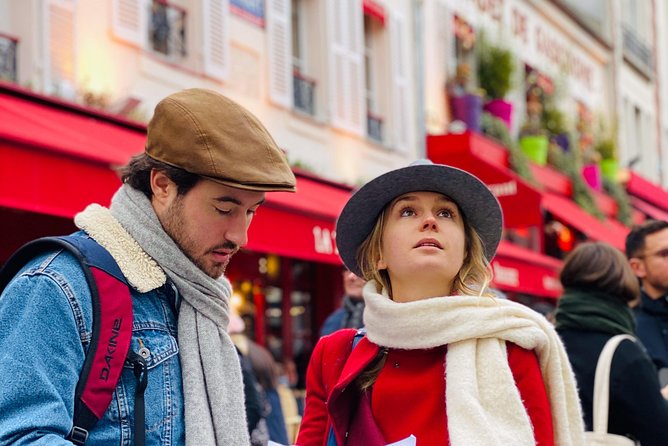
Montmartre becomes much more engaging when you are not simply following a guide from one famous sight to the next. This outdoor escape game turns the hill into a puzzle board, leading you from Sacré-Coeur and Place du Tertre to artists’ landmarks, quiet corners, and clues tied to the district’s history.
I like two things here: the riddles give your walk a clear purpose, and the local hosts add stories that a phone map will not provide. Guides such as Sacha, Jeanne, Ewen, William, Jules, and Shani have helped groups along the way. The main drawback is that some clues can feel obscure, especially if you are not used to wordplay, and Montmartre’s steep streets require a moderate level of fitness.
Key points before you book
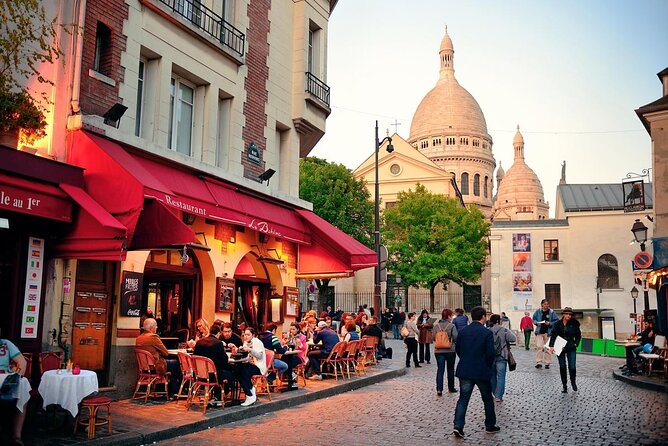
- A two-hour puzzle walk: Solve clues while moving through Montmartre instead of sitting inside a traditional escape room.
- Famous and lesser-known stops: The route includes Sacré-Coeur, Place du Tertre, La Maison Rose, the vineyard, Dalida sites, and several art landmarks.
- A local game master leads the way: Your host explains the clues, adds cultural context, and can offer help when your team gets stuck.
- Photos may be part of the experience: The host is also a photographer and can take free pictures of you and your group.
- Good for mixed-age groups: Kids and teenager versions are available, and the puzzle format can keep families and teens involved.
- Expect hills and outdoor walking: Meet at the upper funicular station at 7 Rue Foyatier and finish near Le Bateau-Lavoir.
Montmartre becomes the escape room

This is not an escape room with locked doors, timers on a wall, or rooms to search. Your playing field is Montmartre itself. Over about two hours, you solve riddles connected to statues, buildings, churches, artists, singers, and street details.
That format suits Montmartre well. The district is full of famous sights, but it is easy to rush from Sacré-Coeur to Place du Tertre, take a few pictures, and miss the smaller stories between them. A clue gives you a reason to stop, look closely, and ask why a particular place matters.
The experience also has a light cultural aim. You learn about Montmartre’s artistic tradition, local personalities, and changing identity while working toward a final code. It is sightseeing with a game layered on top, not a history lecture with occasional entertainment.
The game can work especially well for a group with different interests. One person may enjoy art, another may like puzzles, and someone else may simply want good photographs. The activity gives each person a role without requiring everyone to have the same travel style.
More escape games around Paris:
- Paris: Palais Garnier Mystery Game with Entry Ticket
★ 4.3 · 400 reviews - Who Killed Victor ? Escape Game at Père Lachaise Cemetery
★ 4.8 · 258 reviews - Escape Hunt Paris, Escape Game
★ 4.5 · 122 reviews
Starting at the upper funicular station
The meeting point is the upper funicular station at 7 Rue Foyatier. That puts you near the top of Montmartre, close to Sacré-Coeur and the long staircase rising from the lower part of the hill.
Starting here makes practical sense. You begin near one of Paris’s major viewpoints rather than spending the first part of the activity climbing from street level. You still need to walk uphill and downhill during the route, but the starting point helps the game move directly into the heart of the neighborhood.
Bring comfortable shoes. The exact route links many stops, and the district’s slopes, stairs, and uneven walking areas matter more than the short five-minute timing shown for individual locations. The schedule is not a set of separate appointments. Those short entries describe the approximate time spent on a clue or explanation, while the full experience lasts about two hours.
Your mobile ticket is confirmed at booking, and the activity is near public transportation. The group limit is listed as 100 people, though group size can vary. One booking had only two participants, which created a very personal game-master experience. A larger group can be lively, but a small team may get more direct help with the riddles.
Sacré-Coeur and the first clues
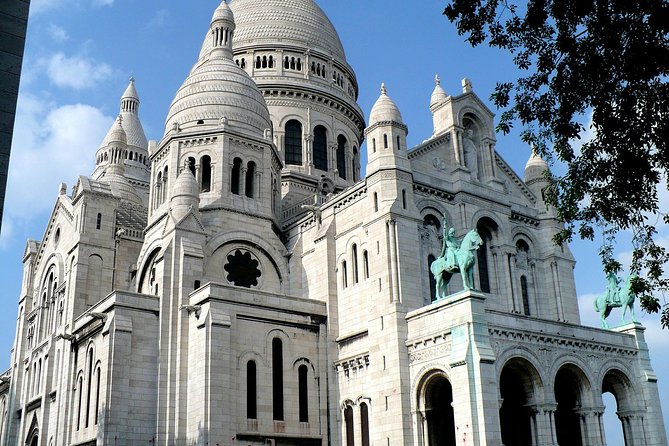
The Basilica of Sacré-Coeur is one of Montmartre’s most recognizable sights, so it is a natural place to begin the cultural side of the game. You explore the site through a riddle and receive background about what you are seeing.
The value is not simply the basilica itself. You are asked to observe and think, rather than treat the building as a quick photo stop. The clue gives the guide a chance to connect the church with Montmartre’s identity and the wider story of the hill.
The activity does not list an admission charge for this stop. Keep in mind that the game is primarily an outdoor discovery experience. It does not promise an extended interior visit or a dedicated church tour, so you should not book it as a substitute for exploring every part of Sacré-Coeur.
From there, the route moves into the artistic and bohemian side of Montmartre.
Artists, churches, and the village feel

Au Lapin Agile is one of the stops linked to Montmartre’s artistic past. The clue here helps you look beyond the building’s appearance and consider the people and creative circles associated with the area.
Le Bateau-Lavoir also appears on the route. This location is closely tied to Montmartre’s artistic story, and it is listed both as an early stop and as the end point of the activity. The repeated mention reflects how important the place is to the route, though you should expect the game to connect several nearby locations rather than follow a simple one-stop-per-minute pattern.
Eglise Saint-Pierre de Montmartre adds a different note. After artists’ landmarks and street scenes, the church gives the route a quieter cultural stop. The clue format keeps the visit active, while the guide can add context about what you are looking at.
Place du Tertre is likely to feel more animated than the church stops. It is one of the best-known parts of Montmartre, with its strong association with artists and portrait painters. The game helps you approach it as more than a postcard setting. Look for the details that answer the riddle, then listen as your host explains why the square matters.
Same streets, a different puzzle:
- Escape game on the Île de la Cité
★ 5.0 · 112 reviews - Romantic Montmartre: Paris Lost Lovers Exploration Game and Tour
★ 4.5 · 107 reviews - Escape Game in the Covered Passages in Paris
★ 5.0 · 79 reviews - Louvre Museum Guided Family Treasure Hunt
★ 5.0 · 78 reviews
The route rewards close looking
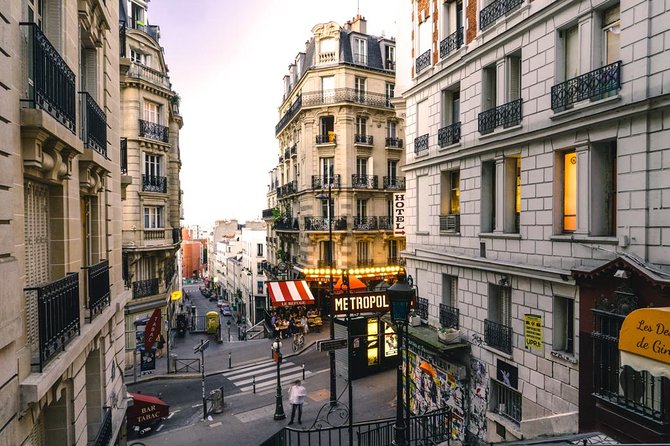
One of the strongest features of this activity is its use of small details. Stops such as Le Passe-Muraille and the Fontaines Wallace are not the first places most people name when planning Montmartre, yet they give the walk more variety.
Le Passe-Muraille refers to the famous wall-walking figure associated with the district. A clue here turns a piece of local folklore and public art into part of the game. It is the kind of stop you might pass without much thought on an ordinary walk.
The Fontaines Wallace add another visual detail to notice. Their practical purpose and distinctive form give the guide something concrete to explain, while the puzzle encourages you to pay attention to the street itself.
This is where the experience earns its place beside a standard walking tour. You still see the headline sights, but the game makes room for details that are easy to miss. The tradeoff is that you may spend less time lingering at any one major attraction because the route has a puzzle to keep moving.
Dalida, La Maison Rose, and Montmartre’s public characters
Place Dalida and La Maison de Dalida bring the singer’s connection to Montmartre into the route. These stops add a personal and modern layer to a neighborhood often reduced to painters and cabarets.
The route also visits La Maison Rose, one of Montmartre’s most photographed buildings. It is a natural place for a visual clue, but the game gives you a reason to learn more than the building’s color and familiar shape.
The itinerary lists no admission charge for several outdoor stops, while La Maison Rose is marked as not included. Read that as a warning not to assume any interior visit or restaurant expense is part of the price. The game takes you to the location and provides the riddle and explanation, but any optional purchase or paid entry is separate.
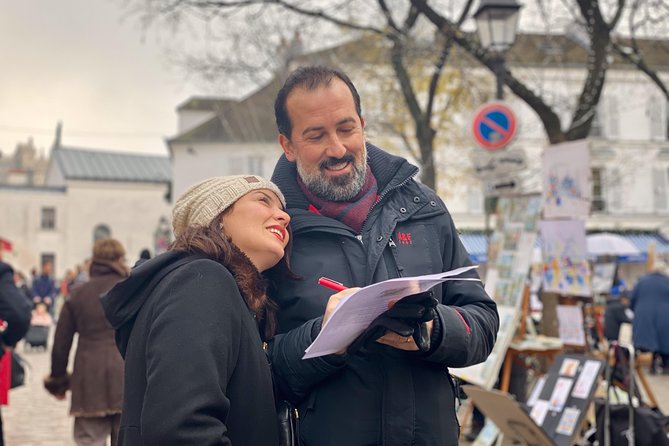
Your host may take free photos along the way. This is a useful extra for couples, families, and groups who often end up with plenty of pictures of Paris but few photographs showing everyone together. The photos are not guaranteed as a particular number or professional package, so think of them as a welcome bonus rather than the main reason to book.
The vineyard and Moulin de La Galette
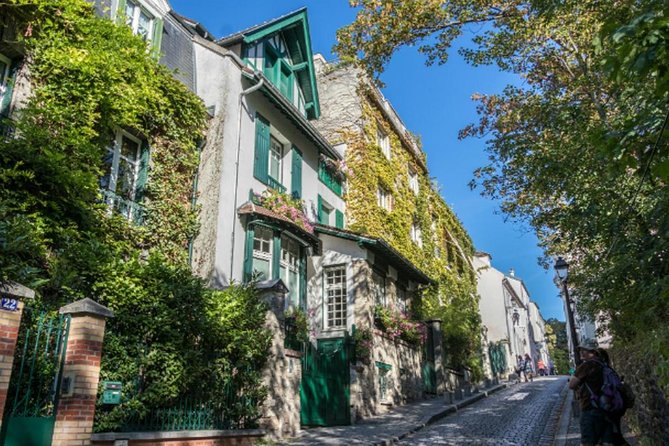
The Vigne du Clos Montmartre gives the route a pleasant change of scene. Montmartre has a working vineyard within the neighborhood, and its presence helps explain why the district can feel more like an old village than a typical central Paris quarter.
The clue here asks you to connect the physical place with Montmartre’s past and present. You are not just walking past rows of vines. You are using them as part of the code.
Moulin de La Galette brings in another well-known Montmartre image. The stop includes an enigma and cultural explanations, but admission is not included. You should plan to view the site as part of the outdoor route unless your booking details say otherwise.
These stops also show why the game is a good alternative to a standard highlight tour. The route links art, religion, public sculpture, music, food, and old village traces. You get a broad sense of Montmartre rather than a narrow focus on one famous monument.
The final clues and the walk to Le Bateau-Lavoir
The route includes the second statue of the Chevalier de La Barre, another detail that rewards careful observation. It is not one of the first stops most people associate with Montmartre, which is exactly why it works well in a clue-based walk.
By the end, you should have gathered enough answers to crack the code. The finish is at Le Bateau-Lavoir, 13 Place Emile Goudeau. Since the activity ends here, think about what comes next before you start. You are well placed to continue exploring Montmartre on foot, stop for food, or make your way toward another Paris neighborhood.
A small surprise gift may be awarded at the end. It is not described as a guaranteed item of a particular kind, so treat it as a playful extra rather than part of the financial value of the tour.
How the game-master support affects the experience
The host is important here. Without a guide, an outdoor puzzle can become a frustrating search for answers. With a good game master, the clues become a prompt for observation, conversation, and local stories.
Sacha has been described as helpful with both the game and broader information about Paris. Ewen has guided groups through the riddles and puns, while Jeanne has added anecdotes about Montmartre and taken photos during the walk. William has led the game in poor weather with an upbeat manner, and Shani has helped create a welcoming experience.
You should not expect the host to give every answer immediately. The point is to let your group work things out. Still, patient guidance matters, and that is especially useful when the wording feels obscure or a pun does not translate cleanly.
The experience can also be delivered in French or English depending on the session and host, but the supplied details do not guarantee a language for every departure. Confirm your preferred language before booking if that matters to you.
Price, timing, and who gets the best value
The price is about $41.71 per person. That is more than a simple self-guided walk, but it covers roughly two hours of hosted activity, a set of riddles, cultural explanations, and the structure needed to visit many parts of Montmartre without planning the route yourself.
I see the value most clearly for people who want help noticing the district’s details. If you would otherwise book a private walking tour, the game offers a more playful alternative at a lower listed price than many private experiences. If you are happy using a map and reading about each sight alone, the cost may feel less attractive.
The activity is booked about 19 days ahead on average, so it is sensible to reserve early if you have fixed Paris dates. Free cancellation is available up to 24 hours before the start time. Within 24 hours, you cannot receive a refund or make changes, and a minimum number of participants is required for the activity to run.
Kids and teenager versions are available. That makes the experience a stronger choice for families than a slow lecture-style walk, though children still need to manage the walking and stay engaged with the clues.
Who should book this Montmartre puzzle walk
I would choose this activity if you want:
- A fun way to see Montmartre without joining a standard lecture-style tour
- A shared activity for a family, couple, or group of friends
- Local stories mixed with puzzles and wordplay
- Photos of your group during the walk
- A route that includes both famous sights and quieter details
- A reason to explore beyond Sacré-Coeur and Place du Tertre
I would look elsewhere if you want a relaxed café crawl, a deep interior visit to Sacré-Coeur, or a completely flexible walk with no set clues. You also need to accept that solving is part of the experience. A few puzzles may slow you down, and that is not a flaw if you enjoy the challenge, but it can frustrate anyone who wants sightseeing to be effortless.
Should you book it?
Book this Montmartre escape game if you like solving puzzles, walking with a purpose, and learning local stories from a friendly host. It is especially useful for families and mixed-age groups, and the free photos and possible gift add a nice touch.
Skip it if you prefer to set your own pace or want a conventional guided tour focused on long explanations at each sight. For most visitors looking for a lively two-hour introduction to Montmartre, the combination of riddles, art, music, churches, vineyards, and street details offers good value at $41.71.
FAQ
Where does the Montmartre escape game start?
It starts at the upper funicular station, 7 Rue Foyatier, 75018 Paris.
Where does the activity finish?
The experience ends at Le Bateau-Lavoir, 13 Place Emile Goudeau, 75018 Paris.
How long does the escape game last?
The activity lasts approximately two hours.
What sights are included?
Stops include Sacré-Coeur, Au Lapin Agile, Le Bateau-Lavoir, Eglise Saint-Pierre de Montmartre, Place du Tertre, Le Passe-Muraille, Place Dalida, La Maison Rose, Moulin de La Galette, La Maison de Dalida, the Fontaines Wallace, the Clos Montmartre vineyard, and the second statue of the Chevalier de La Barre.
Are children and teenagers allowed to join?
Kids and teenager versions of the game are available.
What is the cancellation policy?
You can cancel at least 24 hours before the start time for a full refund. Cancellations or changes made less than 24 hours before the start time are not accepted for a refund.
New puzzles around Paris
- Paris: Treasure Hunt & Walking Tour “Secret Weapon X”★ 4.8 · 17 reviews
- Paris: Virtual-Reality Escape Room Adventure★ 4.8 · 27 reviews
- Paris: Virtual-Reality Escape Room Adventure★ 5.0 · 4 reviews
- Paris: escape game in Montmartre★ 4.6 · 18 reviews
- Paris: escape game on Île de la Cité★ 5.0 · 2 reviews
- Paris Louvre : Private Treasure Hunt for Families or groups★ 3.9 · 14 reviews
- Montmartre: Private Treasure Hunt for Families and Kids★ 3.7 · 3 reviews
- Scavenger Hunt in Paris: Madeleine, Opéra & Place Vendôme★ 5.0 · 16 reviews
France Escape Games, head to head.




Paris: Palais Garnier Mystery Game with Entry Ticket
Read our review →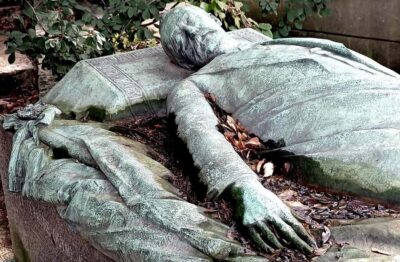
Who Killed Victor ? Escape Game at Père Lachaise Cemetery
Read our review →
Other lists this game appears in